
Initial Investigations' Findings
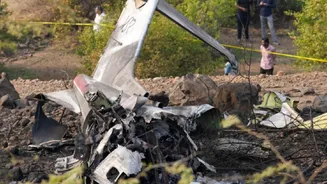
Following the incident, the initial reports affirmed the airworthiness of the Learjet 45 involved in the crash. The aircraft was fully compliant with the regulatory
standards in place. This indicates that the crash might not have been a result of any mechanical failures of the aircraft itself. Instead, the focus of the investigations has been shifted towards other potential factors that may have led to the crash. These include the operating procedures and the environment in which the aircraft was being flown. The full extent of all investigations will be available to all after all the investigations are completed and the full data has been compiled. The data that is currently available shows that the aircraft was functioning without any mechanical issue before the crash.
Parliamentary Panel's Review
A Parliamentary panel was set up to comprehensively analyze the safety frameworks in civil aviation. Their report provided a detailed account of the gaps within the existing system. The panel carefully assessed different aspects of aviation safety, from regulatory compliance to the training of personnel. They also looked at the maintenance of aircraft and the oversight mechanisms. This comprehensive review aimed at identifying areas that needed strengthening. Its findings serve as a crucial basis for recommendations, designed to prevent future such accidents. The report focused on ensuring all areas of civil aviation adhered to stringent safety standards.
Safety Framework Gaps
The Parliamentary panel's report identified several gaps in the civil aviation safety framework. These include areas related to regulatory oversight, the training of aviation personnel, and the maintenance of aircraft. Furthermore, the report pointed out instances of non-compliance with existing safety regulations. These gaps, if left unaddressed, could significantly increase the risk of aviation accidents. The panel's assessment provided detailed insights into the specific areas where the current framework was inadequate. Identifying these issues is critical for improving overall safety. Subsequently, a review of the entire system was deemed essential, along with the suggestion of strengthening the existing structure.
Recommendations for Improvement
The Parliamentary panel put forward several recommendations to enhance civil aviation safety. These suggestions focused on strengthening regulatory oversight by providing more resources to enforcement agencies. They also recommended the enhancement of training programs for all aviation personnel, including pilots, air traffic controllers, and maintenance crews. Another key recommendation was to improve aircraft maintenance standards. The report also emphasized the importance of thorough safety audits and inspections. The implementation of these recommendations would not only mitigate risks but also foster a culture of safety. Moreover, it will ensure that best practices are consistently applied across the aviation sector.
Impact and Future Steps
The findings and recommendations of the Parliamentary panel's report will likely have a significant impact on civil aviation in the coming years. Various authorities will take steps to adopt the recommended changes. These changes will lead to a more robust, reliable, and safer aviation environment. The adoption of the recommendations, coupled with continued monitoring and assessment, would be vital. This will ensure that the civil aviation sector continues to develop and improve its safety standards. The ultimate goal is to minimize the chances of future accidents and protect the lives of those traveling by air.