




Pharma's Big Leap
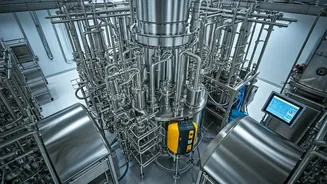
The most significant allocation in the 2026 budget is for the pharmaceutical sector. BioPharma SHAKTI, a key initiative, is set to receive ₹10,000 crore.
This substantial investment underscores the government's commitment to advancing India's pharmaceutical and biotechnology capabilities. The aim is to foster innovation, research, and development within the industry. This funding will likely support projects ranging from drug discovery to manufacturing infrastructure. The budget also outlines plans to establish 1,000 clinical trial sites across the country. This expansion is designed to facilitate faster and more efficient testing of new drugs and therapies, ultimately contributing to better healthcare outcomes for the Indian population. This move is expected to attract both domestic and international pharmaceutical companies, boosting the sector’s growth trajectory.
Rare Earth Reliance
The budget explicitly prioritizes self-reliance in the rare earths sector. This strategic move highlights the government’s focus on reducing dependence on imports and strengthening India’s economic autonomy. Rare earth elements are crucial components in various high-tech industries, including electronics, renewable energy, and defense. By investing in this area, India aims to secure its supply chains and support its manufacturing capabilities. Subhrakant Panda, noted the sharp focus on rare earth self-reliance, signaling the importance of this initiative in the broader economic strategy. This focus also aligns with the broader vision of 'Atmanirbhar Bharat,' or self-reliant India.
Boosting Infrastructure
In addition to pharmaceutical and rare earths initiatives, the 2026 budget includes significant provisions for infrastructure development. The budget contains plans for high-speed rail projects. These projects are intended to modernize India’s transportation network, improve connectivity, and stimulate economic activity. The investment in high-speed rail is expected to boost efficiency and reduce travel times, thereby supporting economic growth. Furthermore, the budget includes a substantial push for tourism. This initiative is designed to attract both domestic and international tourists, creating job opportunities and boosting the hospitality sector. The focus on tourism reflects a broader strategy to diversify the economy and promote India's cultural and natural attractions.
Expert Reactions
Market experts have also weighed in on the budget's implications. Some experts have expressed concerns about the potential impact of changes in the Securities Transaction Tax (STT) on high-frequency traders. This could influence market dynamics and trading behaviors. Simultaneously, various stakeholders have highlighted the budget's potential to boost confidence. FICCI President Anant Goenka noted that the budget builds confidence, though some expressed that defense spending could have been more prominent. The budget’s emphasis on long-term growth and strategic sectors suggests a proactive approach to economic management. The overall reception suggests that the budget is seen as a positive step towards economic advancement, with initiatives designed to foster growth and development across multiple key sectors.