
The Mango's Crown
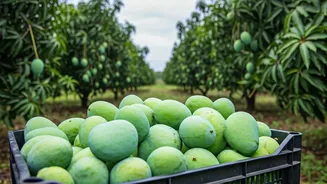
India's mangoes, often hailed as the 'king of fruits,' are now under threat. This delectable fruit holds a special place in Indian culture and cuisine.
The unseasonal downpours have disrupted the delicate balance needed for mango cultivation. The mango, which is sensitive to climate variations, needs specific weather conditions to thrive. Therefore, when the weather doesn't cooperate, it could be bad news. This disruption poses a serious challenge to farmers, the economy, and the many who enjoy the fruit's sweet taste.
Unseasonal Rain's Effects
The biggest problem is unseasonal rainfall. Ideally, mango trees need a consistent climate, particularly during the flowering and fruit-setting stages. Rainfall during these crucial periods can wash away the flowers or cause them to rot. This can lead to a significant drop in yields. Moreover, the excess moisture can also encourage the growth of fungal diseases, further damaging the fruit and affecting the quality. The timing of the rainfall is crucial; an unexpected downpour in the wrong season can lead to severe losses for the mango farmers, who rely on a carefully timed harvest. These events are making the mango's crown unstable.
Farmer's Dilemma Intensifies
Farmers are facing serious challenges. They've invested time and money in their crops, and the erratic weather leaves them vulnerable. Many farmers may struggle to cope with the losses. Their income is directly dependent on the successful harvest of mangoes. Faced with decreasing yields and an unpredictable climate, they are compelled to explore methods for protecting their crops. These might include protective measures like covering the trees or implementing new irrigation strategies. This situation creates distress for mango growers, who may be forced to look at alternative sources of income.
Market and Economic Impact
The impact extends beyond the farmers. The fluctuations in mango production can significantly impact the market. Less supply drives prices up, affecting the consumers. This economic ripple effect extends to those involved in the mango supply chain, including transporters, sellers, and exporters. If the mango harvest is severely affected, the entire market system feels the effects, with possible rises in food costs. The situation may even hurt international trade if export volumes decrease.
Seeking Solutions
What can be done? Addressing this requires both short-term solutions and longer-term strategies. Farmers need access to accurate weather forecasts to prepare for unforeseen rainfall. Developing weather-resistant mango varieties would be beneficial. Government support and subsidies could offer farmers crucial economic relief. Investing in better irrigation methods and crop protection can also help. Furthermore, encouraging sustainable farming practices is essential for helping the mango industry withstand the challenges of a changing climate. The future of mangoes is dependent on the steps taken now.