
Silver ETF Advantage
Silver Exchange-Traded Funds (ETFs) provide a convenient and accessible route into the silver market. These funds mirror the price movements of silver,
allowing investors to gain exposure without the need for physical storage or the hassle of direct ownership. When considering silver ETFs, it's essential to research different funds. Examine their expense ratios, which can impact overall returns, and understand the specific silver holdings of each ETF. This approach can be a cost-effective way to get started, offering liquidity and ease of trading through regular brokerage accounts. This method suits investors looking for a less hands-on approach to silver investment, providing a diversified exposure to the metal.
Mutual Funds Allocation
Silver mutual funds, often structured as Funds of Funds (FoFs), offer an alternative approach to silver investing. FoFs spread investments across various silver-related assets, including ETFs, futures contracts, and sometimes holdings in silver mining companies. The advantage of mutual funds is the built-in diversification and professional management. Fund managers handle the investment decisions, providing expertise and potentially mitigating risks. However, investors need to consider management fees, which can reduce overall returns, and the fund's specific investment strategy to ensure it aligns with their financial objectives. This route is suitable for investors seeking diversification with professional oversight, making it a good fit for those who prefer not to actively manage their silver investments.
Physical Silver Benefits
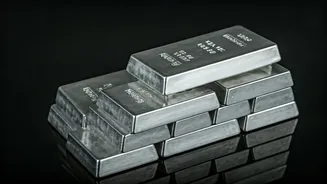
Investing in physical silver, such as coins and bars, offers a tangible way to own the metal. This method gives investors direct control over their assets and can serve as a hedge against inflation. Purchasing physical silver involves assessing different types of silver products. Coins often come with a premium over the spot price, whereas bars may be more cost-effective for larger investments. Careful consideration should be given to storage options, as securing physical silver is crucial to protect against theft or damage. This includes the cost of insurance and secure storage facilities, which will add to the overall investment cost. This is a suitable choice for investors wanting direct ownership and control.
Futures Market Exposure
Silver futures contracts provide a leveraged approach to silver investing. These contracts obligate the buyer to purchase or the seller to sell a specified amount of silver at a predetermined price on a future date. Trading silver futures requires a deeper understanding of market dynamics, as it involves significant risks due to leverage. Investors can potentially magnify both gains and losses. It’s important to acknowledge the complexities of futures trading. This includes understanding margin requirements and the influence of market volatility. This strategy is better suited for experienced investors with a high-risk tolerance and the knowledge to navigate the intricacies of the futures market.
Digital Silver Options
Digital silver offers a modern investment avenue, providing a digital representation of ownership in silver. This method is often facilitated through platforms that allow investors to buy, sell, and store silver digitally. This approach simplifies investment by removing the need for physical storage. Investors should research the platform's security measures and storage practices to ensure the safety of their investments. Digital silver provides liquidity and ease of access, making it attractive for investors who are comfortable with digital asset management. Reviewing the fees associated with digital silver platforms, including transaction fees and storage costs, is also crucial. This can help investors evaluate the overall cost-effectiveness of this investment option.