






Insulin Resistance Explained
Many individuals diagnosed with type 2 diabetes initially possess a functional pancreas that produces insulin. The primary challenge in these early stages
is often insulin resistance, a condition where the body's cells don't effectively utilize the insulin produced. This means glucose, the body's energy source, struggles to enter cells, leading to elevated blood sugar levels. Fortunately, through a conscientious approach involving a balanced and healthy diet, consistent physical activity, and maintaining a healthy body weight, the body's sensitivity to insulin can be significantly improved. These lifestyle adjustments empower the body to use its insulin more efficiently, thereby stabilizing blood glucose levels without the need for external medication. The focus is on enhancing the body's natural metabolic processes and ensuring a smoother glucose uptake, a crucial step in managing type 2 diabetes non-pharmacologically.
Pancreatic Decline Factors
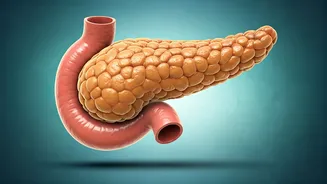
Over an extended period, the pancreas, the organ responsible for insulin production, can experience a gradual decline in its capacity. For certain individuals, this wear and tear accelerates, resulting in a diminished ability to generate sufficient insulin. When the pancreas can no longer produce an adequate supply of insulin, even the most dedicated adherence to diet and exercise may not be enough to maintain healthy blood sugar levels. At this juncture, medical interventions, such as insulin therapy or other prescribed medications, often become necessary to supplement the body's own insulin production and effectively regulate glucose. The progression of diabetes is a key consideration here; what works initially might need to evolve as the disease progresses and the body's insulin-producing capability changes over time.
Influencing Individual Paths
Several critical elements contribute to why one person with type 2 diabetes might thrive on lifestyle management alone while another progresses to needing insulin. The duration of the diabetes diagnosis is a significant predictor; the longer the condition has been present, the greater the likelihood of a reduced insulin output from the pancreas. Furthermore, genetic predispositions, the age at which diabetes is diagnosed, an individual's body weight, and their overall metabolic health all play interconnected roles. For instance, someone diagnosed at a younger age or presenting with extremely high blood sugar levels at the outset might be more prone to requiring medical intervention sooner in their treatment journey. These varied factors create a unique trajectory for each person managing type 2 diabetes.
Debunking Insulin Myths
A pervasive misconception suggests that needing insulin is a sign of severe diabetes or a personal failure in managing the condition, often positioning it as a 'last resort.' This narrative is inaccurate and can be detrimental. In reality, insulin is simply another effective tool in the arsenal for managing blood sugar levels, no different in principle than diet or exercise. For many, type 2 diabetes is a progressive ailment, meaning that treatment strategies often require adaptation over time. The overarching objective remains consistent: achieving stable blood glucose readings and averting long-term complications. Regardless of whether the management strategy involves lifestyle modifications exclusively or incorporates insulin therapy, consistent self-monitoring, a nutritious diet, regular physical activity, and professional medical oversight are foundational pillars for sustained health and a good quality of life.