







The Grand Lunar Vision
NASA is charting a course for an unprecedented sustained human presence on the Moon, outlined in their detailed 'Moon Base User's Guide.' This strategic
document envisions a remarkable 73 landings to construct a lunar base, a monumental undertaking that promises not only to expand human reach into space but also to tackle significant technological and financial obstacles. The guide, a nine-page blueprint, meticulously identifies the critical gaps in current capabilities that must be bridged to transform this ambitious vision into a tangible reality. The initial phase of this grand plan hinges on a rapid acceleration of lunar missions, with a concentrated effort on robotic and uncrewed landings. In the immediate three years, NASA aims to execute 21 such landings, meticulously preparing the lunar surface for the eventual arrival of astronauts. Ultimately, this extensive preparatory work is designed to support a moon base projected to cost $20 billion and pave the way for the first crewed missions to set foot on the Moon by 2028. This endeavor also serves as a crucial stepping stone for even more audacious, long-term goals, such as the development of nuclear-powered spacecraft destined for Mars.
Phased Lunar Construction
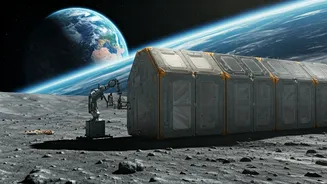
NASA's lunar base construction plan is structured into three distinct phases, each escalating in complexity and requiring progressively more resources. Phase 1, scheduled to span through 2029, will involve a substantial 25 launches and 21 landings, primarily focused on ensuring reliable access to the lunar surface and rigorously testing essential systems. Transitioning into Phase 2, running from 2029 to 2032, the agency plans for 27 launches and 24 landings, marking the beginning of intermittent crewed missions to the Moon. The culmination of this effort is Phase 3, which will concentrate on establishing and maintaining a continuous human presence. This final phase necessitates an even greater number of launches and landings, alongside the crucial development of advanced systems for returning cargo from the Moon. The chosen location for this pioneering base is near the Moon’s south pole, a region that presents unique environmental challenges vastly different from those encountered during the historic Apollo missions. The persistent low angle of the sun will create prolonged shadows, potentially limiting solar power generation. Furthermore, the area is characterized by extreme temperature variations and extended periods of darkness, demanding innovative solutions for power and environmental control.
Technological Hurdles & Survival
The path to a permanent lunar settlement is fraught with significant technological deficiencies and unknown risks that NASA must overcome. The 'Moon Base User's Guide' highlights the urgent need for advancements in precision landing systems, capable of navigating the lunar terrain safely, and robust hazard detection and avoidance technologies to prevent catastrophic incidents. Beyond the engineering challenges, profound questions remain about the long-term human survivability on the Moon. The pervasive lunar dust, the effects of reduced gravity, and the constant exposure to cosmic radiation pose substantial health risks. Consequently, NASA is dedicating considerable effort to developing sophisticated life support systems, alongside comprehensive strategies for astronaut nutrition and physical conditioning programs tailored to the lunar environment. Addressing these critical technology gaps and ensuring the well-being of future lunar inhabitants are paramount for the success of this ambitious colonization effort.
Race Against Time
NASA finds itself in a dynamic race against time, spurred by intensifying international competition and mounting internal pressures. Several nations are aggressively pursuing their own lunar ambitions; for instance, China aims to land astronauts and establish a base by 2030, intensifying the geopolitical stakes of lunar exploration. This external pressure is compounded by the substantial financial commitment already made to the Artemis program, which has already incurred costs reaching $100 billion, with timelines for crewed lunar landings consistently being revised. Further complicating matters are potential budget constraints, with proposals for significant reductions in NASA's funding potentially jeopardizing the program's continuity. Successfully executing the complex, multi-phase plan to build a permanent moon base requires not only technological prowess but also sustained financial support and a clear strategic direction, all while navigating a rapidly evolving global space landscape.