





Surging Precious Metals
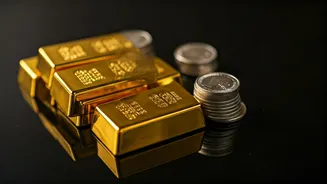
The precious metals market has witnessed a remarkable surge, with both gold and silver reaching unprecedented levels. Investors around the world are watching
closely as these assets continue to climb, fueled by a complex interplay of economic forces. Several factors have converged to create an environment favorable to precious metals. These include global economic uncertainties, concerns about inflation, and a general flight to safety among investors. Additionally, ongoing geopolitical tensions have further enhanced the appeal of these safe-haven assets. Analysts suggest that the current trajectory may not be a fleeting trend, with the potential for further gains still on the horizon. The recent performance of gold and silver reflects a broader shift in investor sentiment, as people seek to protect their wealth in volatile times. It's a dynamic situation that warrants careful monitoring and understanding of the forces at play.
Driving Factors: Unpacked
Several key elements are contributing to the strong performance of gold and silver. Inflationary pressures continue to be a significant concern for investors, prompting them to seek assets that can preserve their value. Precious metals are widely regarded as a hedge against inflation. Another important factor is the persistent geopolitical instability around the world. Conflicts and uncertainties often drive investors towards safe-haven assets. Furthermore, the global economic landscape, with its varied growth rates and uncertainties, influences investment decisions. Central bank policies, including interest rate adjustments and quantitative easing, also play a crucial role in shaping market dynamics. The weakening of major currencies relative to precious metals further enhances their appeal. This creates a scenario where the value of gold and silver appears increasingly attractive in comparison to other assets. Understanding the confluence of these drivers is crucial for interpreting the current market trends and assessing the potential for future movements.
Investment Strategies Explored
Investors have several avenues to capitalize on the rising prices of gold and silver. One common strategy is direct investment, where individuals purchase physical gold or silver in the form of bars, coins, or bullion. This can be a straightforward way to participate in the market. Another approach involves investing in exchange-traded funds (ETFs) that track the price of gold and silver. These ETFs offer greater liquidity and convenience. Derivatives markets also provide opportunities. Futures contracts allow investors to speculate on future price movements. Furthermore, the mining sector offers indirect exposure to precious metals. Investing in stocks of gold and silver mining companies can provide returns that correlate with the metals' prices. However, these investments carry their own unique risks, so it's essential to carefully research and consider each option. The best strategy will depend on individual risk tolerance, investment goals, and time horizon.
Risks and Considerations
While the outlook for gold and silver appears positive, investors must be aware of the inherent risks. The prices of precious metals are subject to volatility, meaning that they can fluctuate significantly over short periods. Economic data releases, geopolitical events, and shifts in investor sentiment can all trigger rapid price swings. Another risk factor is the possibility of a shift in market sentiment. If economic conditions improve and inflation concerns ease, investors may seek higher-yielding assets, potentially leading to a decline in gold and silver prices. Also, physical storage of gold and silver involves security considerations and potential costs. Furthermore, the opportunity cost of investing in precious metals should be considered. Gold and silver typically do not generate income, such as dividends, which could be earned from other assets. Therefore, a balanced and diversified investment portfolio is crucial to mitigate potential risks. Prudent risk management involves setting clear investment goals and making informed decisions.
Long-Term Outlook
The long-term outlook for gold and silver remains largely positive, supported by several structural factors. These include the ongoing uncertainties in the global economy and the potential for persistent inflation. With central banks maintaining accommodative monetary policies, the environment is favorable for precious metals. Furthermore, the increasing demand from emerging markets, such as India and China, could provide further support for prices. However, it's essential to recognize that the precious metals market is cyclical. There will be periods of both gains and losses. Looking ahead, investors should keep a close eye on economic data, geopolitical developments, and shifts in investor sentiment to make informed decisions. Long-term success in the precious metals market requires a well-considered strategy, a disciplined approach, and a clear understanding of the risks and rewards involved. The ability to adapt to changing market conditions is also a key factor.