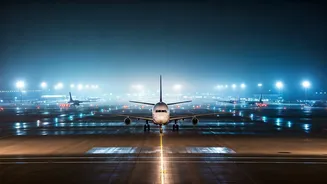







Fog's Impact Explained
Dense fog presents a significant challenge for air travel, particularly in areas with limited visibility. The primary reason for flight disruptions is the
reduced visibility which makes it unsafe for pilots to take off or land. This can lead to flight delays, diversions, or even cancellations, affecting both domestic and international routes. The severity of the fog and the specific operating procedures of the airport also play a role in the extent of the disruption. The density and duration of the fog are crucial factors, with prolonged periods of thick fog causing more extensive issues. Furthermore, airports have specific protocols and safety measures that must be followed during foggy conditions, which can further impact flight schedules. Passengers should therefore always check the status of their flights before heading to the airport or making travel arrangements.
Checking Flight Status
To stay informed about potential disruptions, Air India passengers must actively check their flight status. This can be done through multiple channels provided by the airline. The official Air India website and mobile app are the primary sources for real-time updates on flight schedules. Passengers can access this information by entering their flight number or booking reference. In addition to online platforms, Air India usually provides updates via SMS and email alerts, sent to the contact details provided during booking. These alerts will inform passengers of any changes to their flight, including delays, cancellations, or gate changes. Passengers can also contact Air India's customer service helpline for assistance. It is essential to continuously monitor these channels for the most accurate and up-to-date information, especially when traveling during periods of expected dense fog.
Understanding Potential Delays
Understanding the reasons behind flight delays and cancellations is important for managing expectations and making informed decisions. Dense fog directly impacts flight operations by reducing visibility, making it dangerous for takeoffs and landings. When visibility falls below safe levels, flights may be delayed until conditions improve. The extent of the delays can vary significantly. Some flights might experience minor hold-ups, while others might be delayed for several hours or even cancelled altogether. Air traffic control (ATC) also plays a vital role during these times, managing the flow of aircraft to ensure safety. Airports often implement special procedures in foggy conditions, which can also contribute to delays. This includes reduced runway capacity and increased spacing between aircraft. Being aware of these operational constraints can help passengers understand the reasons behind any flight disruptions and plan accordingly.
Preparing for Travel Changes
Passengers should prepare for potential changes to their travel plans when dense fog is forecasted or present. It is advisable to pack essentials in carry-on luggage, including necessary medications, chargers, and a change of clothes, in case of unexpected overnight stays. Flexibility is key; consider alternative travel options if flight delays or cancellations are anticipated. This could involve exploring different flight routes or even shifting travel dates. Before heading to the airport, ensure to have all essential documents readily available, including boarding passes, identification, and any relevant travel documents. Travelers should also be prepared for long wait times at the airport and pack entertainment options, such as books or electronic devices. Staying calm and informed can significantly ease the stress associated with travel disruptions caused by dense fog. Staying in communication with Air India for updates is another important step.