






Initial Stumbling Blocks
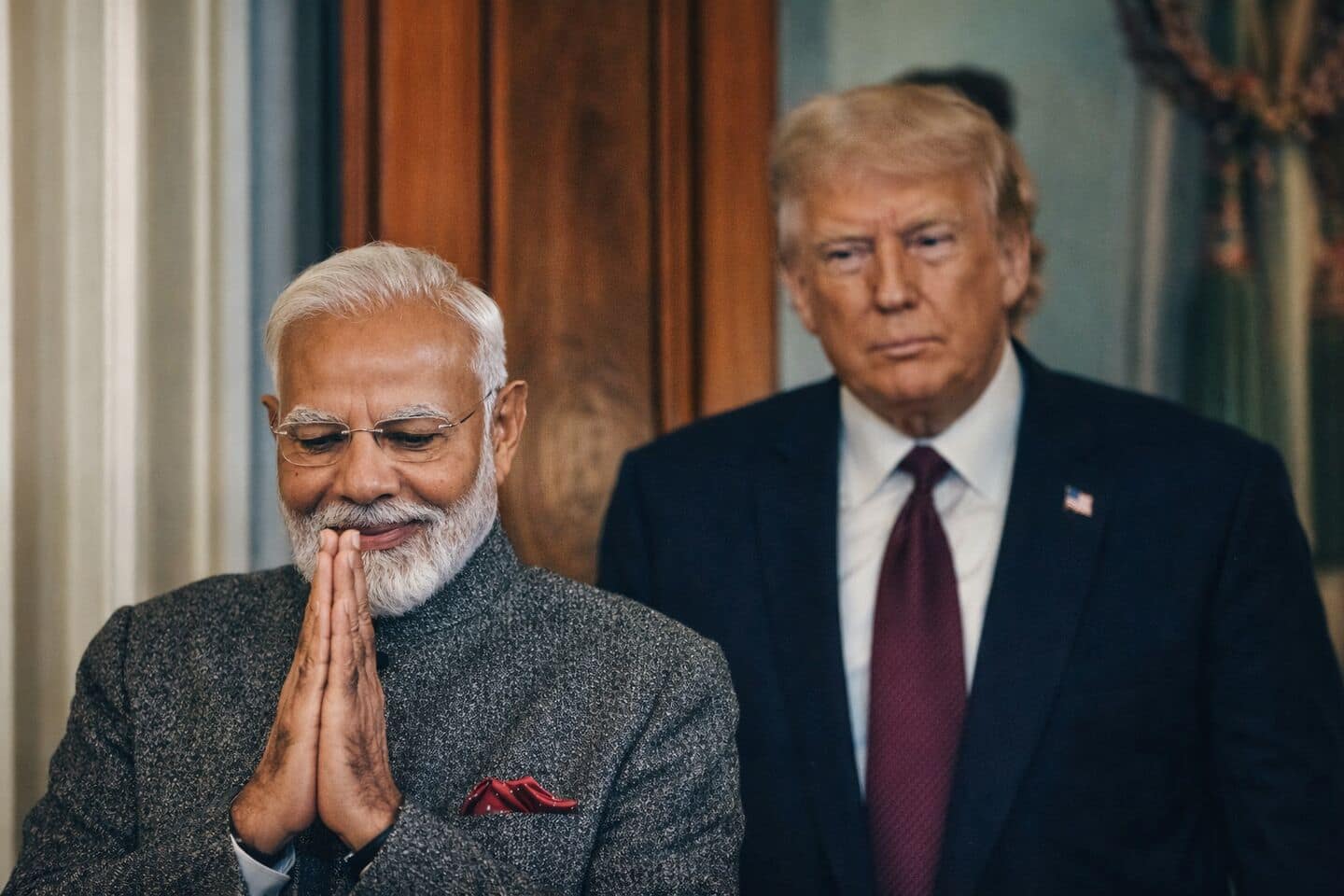
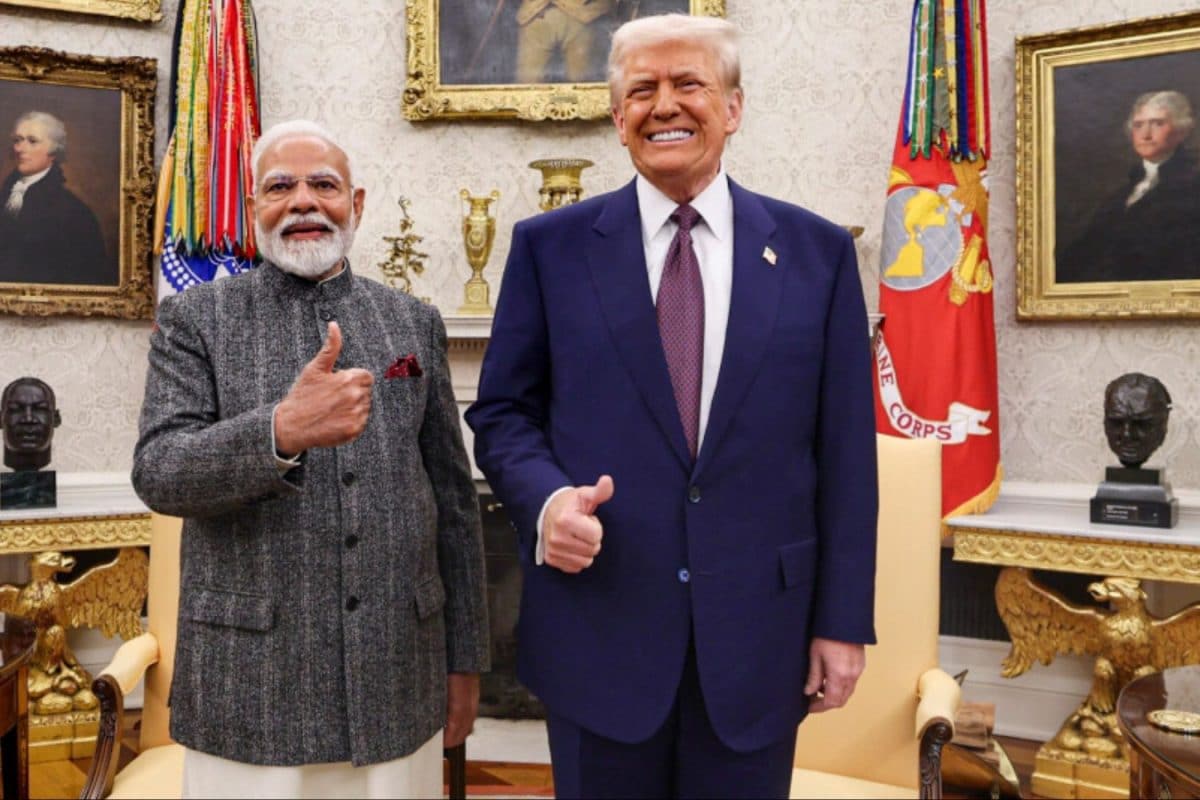
The narrative surrounding the India-US trade deal's failure began with Howard Lutnick's statements, which contradicted official stances. Lutnick suggested
that a phone call from Indian Prime Minister Modi to then-President Trump didn't occur. This initial friction set the tone for more extensive negotiations. These were later complicated by differences over tariffs and market access, critical elements of any trade agreement. A key point of contention was tariffs imposed by the Trump administration on various Indian goods. India, in turn, considered retaliatory measures, further straining the already tense discussions. This led to a standstill as neither side was willing to concede ground on these pivotal issues. The discussions were further complicated by the divergent economic goals and priorities of both countries. The trade war rhetoric and the imposition of tariffs further exacerbated the challenges in reaching a consensus.
Key Points of Contention
Several factors combined to prevent a successful agreement. Disagreements over agricultural products and their access to each other's markets were a persistent issue. The US sought greater market access for its agricultural exports, whereas India aimed to protect its domestic farmers. Intellectual property rights became another focal point, with the US seeking stronger protection for its patents and trademarks. India, however, was wary of the potential impact on its generic drug industry. Data localization policies, which required data to be stored within the country, added another layer of complexity. The US expressed concerns about such policies, perceiving them as barriers to digital trade. These contrasting priorities made it difficult for negotiators to bridge the gap and reach a mutually beneficial agreement. The overall economic climates of both nations during the negotiation period also played a role in the deal's eventual failure.
Tariffs and Retaliation
The imposition of tariffs by the Trump administration on certain Indian goods led to a cycle of retaliatory measures and escalating tensions. The initial tariffs, affecting products like steel and aluminum, drew a sharp response from India, which considered imposing tariffs on US goods in return. This tit-for-tat approach severely hampered the negotiations. The increased costs due to these tariffs affected businesses on both sides and, in turn, also created uncertainty in the overall trade environment. This lack of certainty made it even more challenging for the two nations to find common ground. The economic impact was felt across multiple sectors, as businesses struggled to adapt to the fluctuating tariff landscape. These retaliatory measures increased the challenges faced by negotiators. The situation clearly highlighted the adverse impact of protectionist policies on international trade relationships.
Rising Tensions Again
The stalled trade deal contributed to heightened tensions. The failure to reach an agreement raised questions about the future of the strategic partnership between the two countries. The lack of progress in economic cooperation also cast a shadow on the overall bilateral relationship. The mutual distrust, fueled by the trade dispute, had the potential to influence discussions on other critical areas, including defense and security cooperation. The MEA (Ministry of External Affairs) publicly stated Lutnick’s comments were inaccurate, underscoring the sensitivity surrounding the matter. The economic impact of the situation was compounded by other geopolitical factors and rising tensions. It's evident that the trade dispute did not exist in a vacuum, with larger geopolitical shifts contributing to the strained relations. This highlights the crucial role that trade plays in shaping international relations and fostering stability.