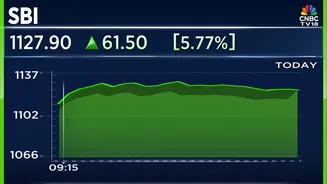








Market's Recent Performance
Bank Nifty witnessed a downward trend, marking a second straight day of losses in the financial market. This downturn was significantly influenced by the performance
of the PSU Bank index, which experienced a considerable decline of 1.2%. The overall market sentiment reflected caution among investors, leading to reduced trading activity in banking stocks. Economic indicators and global market trends influenced the market, contributing to the selling pressure observed. Several factors contributed to this cautious outlook, including concerns about economic growth and shifts in investor risk appetite. This recent performance highlighted the sensitivity of the banking sector to broader economic conditions and investor expectations.
Factors Behind Decline
Various elements contributed to the decline observed in the Bank Nifty index. One significant factor was the economic outlook, coupled with fluctuations in global markets. Uncertainties concerning interest rate movements and inflation expectations prompted investors to adopt a more conservative stance. Furthermore, specific concerns within the banking sector, such as asset quality and regulatory changes, added to the negative sentiment. The performance of individual banking stocks also played a role, with PSU banks bearing the brunt of the downturn. Investor behavior, driven by risk aversion, amplified the selling pressure. Geopolitical events and their impact on market stability also increased volatility, contributing to the overall decline. These combined factors created a challenging environment for banking stocks, leading to the sustained downward trend experienced by Bank Nifty.
Investor Strategies Explained
In light of the recent market downturn, investors needed to evaluate their strategies. Those with a short-term outlook might consider reducing exposure to banking stocks, particularly in the PSU segment, and diversify their portfolios to include less volatile assets. For long-term investors, the situation presented opportunities to re-evaluate their portfolios. They could consider strategies such as averaging down by investing more in fundamentally strong banking stocks at lower prices. Another key strategy involved keeping a close eye on macroeconomic indicators and industry-specific news, making timely adjustments to portfolios based on developing trends. Investors also needed to assess their risk tolerance and financial goals, making informed decisions that aligned with their individual investment profiles. Prudent risk management and diversification, coupled with a long-term perspective, were crucial for navigating market volatility.
Analyst Recommendations Overview
Market analysts and financial experts provided different viewpoints and recommendations during the downturn. Some analysts suggested a cautious approach, advising investors to maintain a balanced portfolio and avoid excessive risk. Others pointed out potential value in specific banking stocks, especially those with solid fundamentals and positive growth prospects. Recommendations often varied depending on the analysts' assessment of market conditions and sector-specific risks. Several analysts focused on technical analysis, using charts and patterns to predict price movements and identify potential entry and exit points. Furthermore, expert discussions included the importance of due diligence, advocating for investors to research and understand the companies they invest in, staying informed through financial news and expert opinions played a critical role in making sound investment decisions during this period.