








Oil's Global Reach
The global economy is intrinsically tied to crude oil, a commodity indispensable for transportation, manufacturing, and even agriculture through fertilizers.
Any interruption to its supply chain, whether due to geopolitical events like regional conflicts or blockades of vital shipping routes, sends ripples across the world. For instance, a disruption in the Persian Gulf can quickly escalate oil prices in distant markets. Economists explain this phenomenon using the fundamental principles of supply and demand; a decrease in availability naturally leads to increased competition among buyers, thereby driving up costs. This interconnectedness means that events in one corner of the globe can significantly influence the cost of goods and services for consumers everywhere, particularly when prices at major trading hubs like the US see a sharp rise from around $66 per barrel to over $100 in a matter of weeks following such events.
Sudden Shocks, Steep Spikes
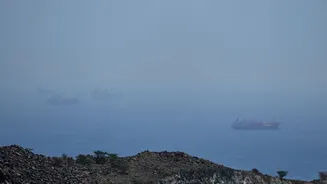
While oil prices can fluctuate gradually, allowing individuals and businesses time to adapt, sudden and unforeseen disruptions create immediate and dramatic price escalations. A prime example of this is the closure of critical transit points, such as the Strait of Hormuz, which serves as a vital artery for oil transportation. When such a key supply route is effectively blocked, the immediate effect is a sharp increase in oil prices across the global market. This rapid price surge stems from the sudden scarcity of available oil, forcing those who rely on it to compete more fiercely for the limited supply, pushing the price upward significantly in a very short timeframe. Such events underscore the delicate balance of the oil market and its susceptibility to geopolitical instability.
Who Profits from Surges?
When the cost of oil climbs, a natural question arises: where does all that extra money go? While the financial pathways can be intricate, the primary beneficiaries are typically oil producers and the companies involved in extracting and distributing the commodity. The specific distribution of these newfound profits is heavily influenced by national ownership structures, regulatory frameworks, and the overall business environment of the producing nations. This means that the legal and economic landscape plays a crucial role in determining how these windfalls are allocated, whether they go directly to state coffers, private shareholders, or are reinvested into further exploration and infrastructure development. The ultimate destination of these increased revenues is a complex interplay of policy and corporate strategy.
Middle Eastern Producers
Nations in the Middle East, despite facing elevated risks during periods of conflict—including potential damage to their production facilities and transportation networks—often find themselves in a position to profit significantly from increased global oil prices. This is largely due to their relatively low production costs. While the risks necessitate higher insurance, security, and logistical expenditures, the substantial increase in the global price of oil frequently still translates into considerable profit margins for these countries. In nations like Saudi Arabia, where the government holds significant control over oil production, the heightened revenues bolster public finances, serving as a crucial source for government spending and investment initiatives that shape the national economy and development.
US Oil Windfalls
In the United States, regions like the Permian Basin in West Texas, a major oil-producing area, experience rapid financial benefits when global oil prices escalate. Because of its geographical distance from potential conflict zones in the Persian Gulf, this region is less exposed to immediate physical risks. Consequently, the price of oil extracted here tends to rise more quickly than the associated operational costs in the short term, creating a substantial financial gain, often referred to as a windfall. These profits are commonly channeled back to stakeholders through dividends paid to shareholders, reduction of company debt, repurchasing of company stock, or reinvestment into expanding drilling operations and enhancing production capabilities, including the development of crucial infrastructure like pipelines.
North Sea Revenues
Oil extraction in the North Sea, situated between the United Kingdom and Scandinavian countries, involves a mix of multinational corporations and state-backed entities. For the United Kingdom, rising oil prices predominantly benefit private shareholders. However, the government participates significantly in these gains through additional taxes levied on oil and gas profits, with these revenues being allocated towards funding essential public services. Norway adopts a different model, channeling its oil income into the Government Pension Fund Global, one of the world's largest sovereign wealth funds, valued at over $2 trillion. This fund operates under stringent regulations, ensuring its assets support public services while also preserving wealth for future generations. A comparable system exists in Alaska, where oil revenues are used to fund government programs and provide annual payments to residents.
Russia's Profit Dynamics
Russia's oil sector currently operates under stringent international sanctions, imposed following its actions in Ukraine. While direct price controls by nations like the United States are not feasible, regulatory measures can be applied to associated services such as shipping, insurance, and financing. These sanctions stipulate that Russian oil can only receive these services if sold below $60 per barrel. The industry is largely dominated by state-controlled companies with close political ties to President Vladimir Putin. Although the precise financial flows remain largely undisclosed, it is widely understood that the primary financial benefits are directed towards powerful elite groups and the military-industrial complex, rather than the general populace. This structure highlights how geopolitical tensions and sanctions significantly shape the distribution of oil profits.
Consumer Impact & Future
For the average consumer, particularly in countries like the United States, escalating oil prices translate directly into increased expenses for fuel and a wide array of goods. While it can be disheartening to witness these increased expenditures benefiting large corporations or government entities, consumers have limited immediate recourse to avoid these rising costs. However, looking ahead, there is a growing global impetus towards transitioning to alternative energy sources. This shift aims to reduce the dependence on fossil fuels, offering a potential long-term solution to mitigate the impact of volatile oil prices and their associated economic strains on individuals and the broader economy.