
Defining the Gap
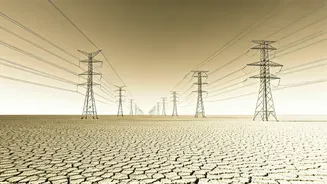
The term 'Power Gap,' as highlighted in the Economic Survey, refers to the discrepancy between the demand for and the supply of electricity in India. This
gap isn't merely a technical issue; it's a critical factor that affects the nation's economic progress and the well-being of its citizens. When the demand for power outstrips the available supply, it can lead to load shedding, blackouts, and disruptions in various sectors. Industries suffer from production halts, businesses face operational challenges, and households experience inconveniences. The Economic Survey's recognition of the 'Power Gap' emphasizes the need for strategic interventions to ensure reliable and affordable electricity access for all.
Impact on Economy
The 'Power Gap' significantly impacts India's economy in multiple ways. Firstly, it hinders industrial growth. Factories and manufacturing units cannot operate at full capacity without a consistent and adequate power supply, limiting production and overall economic output. Secondly, it affects the services sector, including IT and other businesses, which depend heavily on electricity for their operations. Frequent power outages can lead to downtime, impacting productivity and increasing operational costs. Thirdly, the 'Power Gap' influences foreign investment. Potential investors are often wary of investing in regions with unreliable power infrastructure, affecting the influx of capital and slowing down economic expansion. Addressing this gap is therefore essential for fostering sustainable economic development and creating a favorable business environment.
Addressing the Issue
Addressing the 'Power Gap' requires a multi-pronged strategy. One of the most important aspects involves enhancing the country's power generation capacity. This entails investments in various energy sources such as renewable energy (solar, wind), thermal power, and hydroelectric projects. Secondly, improving the efficiency of power distribution is essential. This can be achieved by upgrading the transmission infrastructure, reducing transmission losses, and implementing smart grid technologies. Thirdly, the promotion of energy conservation measures is critical. This includes encouraging energy-efficient appliances, promoting behavioral changes among consumers, and implementing building codes that prioritize energy efficiency. Combining these approaches will pave the way for a more reliable and sustainable energy landscape in India, ultimately closing the 'Power Gap'.
Looking Ahead
The Economic Survey's identification of the 'Power Gap' is a significant step toward addressing the challenges in India's energy sector. Over the coming years, strategic policy interventions, substantial investments, and technological advancements will be crucial. The focus will need to be on diversifying energy sources, promoting renewable energy, and modernizing the power grid. As India continues to grow and develop, ensuring a steady and affordable power supply becomes even more critical. The government, private sector, and citizens must collaborate to bridge the 'Power Gap' and build an economically robust and sustainable future. This collaborative effort will not only fuel economic progress but also enhance the quality of life for millions of Indians.