







The Metro Exodus Explained
The allure of bustling metropolises is dimming as their escalating costs and pervasive stress become increasingly burdensome. Property prices in major
urban centres like Delhi, Mumbai, and Bengaluru have soared beyond the reach of many, forcing a reevaluation of traditional city living. This affordability crisis, coupled with the daily grind of traffic congestion and pollution, is driving a notable migration. Individuals, particularly retirees, are now actively seeking alternatives that promise a more tranquil, cost-effective, and higher quality of existence. This quiet exodus isn't just about escaping the negatives of large cities; it's a proactive search for environments that better align with priorities like comfort, financial well-being, and a reduced pace of life, marking a significant societal shift in what constitutes an 'ideal' living space.
Tier 2 Cities: Growth Hubs Emerge
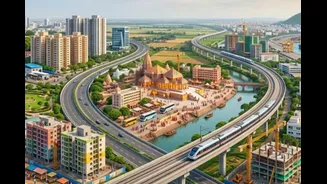
Cities like Indore, Chandigarh, Dehradun, Mysore, Bhubaneswar, and Varanasi are experiencing a renaissance, attracting a dual influx of homebuyers and retirees. These urban centres provide a much-desired slower pace, cleaner air, and considerably lower living expenses compared to their metropolitan counterparts. Simultaneously, they are transforming into attractive propositions for real estate investment, fueled by robust development and escalating demand. Factors such as rapid infrastructure expansion, enhanced connectivity, and a growing number of employment opportunities are solidifying their status as emergent economic powerhouses. Key Tier 2 cities making waves include Indore, lauded for its cleanliness and burgeoning IT sector; Surat, a vital diamond and textile hub with ample jobs; Lucknow, benefiting from its capital status and infrastructure growth; Jaipur, leveraging tourism and increasing NRI investment; Coimbatore, a hub for industry and education fostering startup culture; Nagpur, strategically positioned as a logistics centre; Bhubaneswar, recognized as a smart city with a developing IT ecosystem; and Kochi, a scenic port city known for its high quality of life. Property values in these locations remain accessible, while demand's upward trend signals strong future returns for investors.
Tier 3: The Next Frontier
Even smaller Tier 3 cities are now capturing attention, presenting compelling opportunities due to their low entry costs and significant growth potential. These locations are becoming increasingly attractive for both investment and a more grounded lifestyle. Consider Panchkula and Mohali, benefiting from their proximity to Chandigarh and thriving IT and pharmaceutical sectors, which are spurring demand for premium housing and promising very fast growth. Raipur and Bilaspur in Chhattisgarh are seeing development driven by their industrial and mineral-rich economies, offering potential in both residential and industrial real estate with strong growth prospects. Visakhapatnam, a key port city, is poised for strong long-term gains through its industrial, real estate, and tourism potential, further bolstered by its defence significance. Ayodhya and Vrindavan are experiencing a surge driven by religious tourism, creating opportunities in hotels and residential properties with the potential for sharp appreciation. Udaipur, renowned for its tourism and luxurious lifestyle appeal, presents steady demand in its luxury property market. These cities, while offering relatively modest property prices now, are projected to witness substantial appreciation as infrastructure upgrades and tourism initiatives gain momentum.
Affordability & Infrastructure Appeal
The primary draw for smaller cities is undeniably their affordability. While a three-bedroom flat in a major metro can easily exceed Rs 1 crore, comparable properties in Tier 2 and Tier 3 cities are readily available for prices ranging from Rs 30 lakh to Rs 1.5 crore. This significant cost difference makes homeownership attainable for a much broader segment of the population. Furthermore, substantial improvements in infrastructure, including the development of new expressways, airports, and smart city projects, have dramatically enhanced connectivity and accessibility. For example, travel between national capitals and cities like Dehradun or Chandigarh is now considerably faster and more convenient, shrinking perceived distances. Real estate trends corroborate this shift, with housing demand in these burgeoning cities showing an increase of approximately 20-25% in recent years. Projections indicate a potential price appreciation of 25-100% in the coming years, making these locations a compelling choice for both homeowners and astute investors.
Retiree Paradise Found
Beyond the financial advantages, smaller cities offer a compelling lifestyle for retirees. Reduced pollution levels contribute to enhanced health and well-being, while the quieter, more spacious environments foster a truly relaxed way of life. Daily expenditures, from housing and utilities to essential goods and services, are significantly lower, enabling retirees to make their savings last longer and enjoy greater financial freedom. The social fabric in these communities often features stronger, more interconnected networks, helping to combat the isolation that can sometimes accompany retirement. This sense of belonging and community engagement significantly improves overall contentment and quality of life. While concerns about access to highly specialized medical care may exist in some pockets, ongoing infrastructure development and improved connectivity to larger urban centres are steadily addressing this gap, making these smaller cities increasingly viable and attractive for a fulfilling retirement.
A Balanced Future
The definition of an 'ideal city' is undergoing a profound transformation. Increasingly, individuals are prioritizing comfort, financial manageability, and a superior quality of life over the relentless pace and exorbitant expenses associated with metropolitan living. This evolving perspective highlights a growing desire for a more balanced existence. Whether the objective is a secure financial investment or a peaceful place to spend one's retirement years, smaller cities are decisively emerging as potent alternatives. They offer not merely tangible financial value through real estate appreciation and lower living costs, but also an intangible, yet invaluable, promise of a more fulfilling and harmonious way of life. This movement signifies a broader societal shift towards valuing well-being and sustainable living over traditional urban metrics.