






Mobility and Earnings
The enhancement of urban mobility has brought about a significant transformation in the earning potential of Indian households. Improved transportation
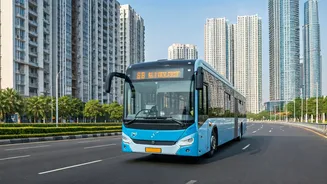
networks, including expanded metro systems, upgraded bus services, and the implementation of efficient public transport options, have led to enhanced access to employment hubs. This increased accessibility has allowed more people to seek out and secure better-paying jobs, thereby boosting their household income. Furthermore, reduced commute times, thanks to faster and more reliable transport, have enabled individuals to allocate more time to work and other productive activities, ultimately contributing to higher earnings. The availability of diverse transport choices also ensures that people from various income levels can access employment opportunities efficiently, thereby fostering a more inclusive and economically vibrant society. Access to job centers, whether they are in the city center or in the outskirts, is pivotal for financial success, and the new mobility infrastructure is designed to make this as easy as possible.
Lowering Transportation Costs
Improved urban mobility has had a substantial impact on the financial health of households by reducing their transportation expenses. Modern transportation systems, such as metro rail and efficient bus networks, are often more cost-effective compared to private vehicles or older modes of public transport. This cost-effectiveness eases the financial burden on families, enabling them to save more money. Besides the lower fare, other factors, such as reduced fuel consumption and decreased wear-and-tear on vehicles, further contribute to a reduction in transport costs. This savings empowers households to reallocate funds to essential needs like education, healthcare, or investments, improving the quality of their lives. Additionally, reduced travel times through efficient transport systems also contribute by allowing more productive activities, thereby indirectly bolstering household income and creating a virtuous cycle of financial improvement.
Impact on Spending Patterns
As urban mobility improves, the financial behavior of households undergoes significant shifts, leading to changes in spending patterns. With lower transportation costs and increased income due to better access to jobs, families find themselves with greater financial flexibility. This enhanced flexibility allows them to make more informed choices about their spending habits. More funds available, coupled with access to wider consumer choices facilitated by better transportation, opens the possibility for households to invest in more durable goods, like appliances or better homes. Furthermore, the accessibility offered by urban mobility allows families to access essential services, such as healthcare and education, which directly enhance the quality of life. The reduction in expenses, due to efficient transportation, frees up funds that can be directed toward these vital components, contributing to the overall financial stability and economic advancement of families.
Increased Property Values
The upgrading of urban mobility infrastructure significantly affects property values, thereby influencing household finances. Areas with improved transport connectivity often see an increase in real estate values. This enhancement makes homes and properties in these areas more desirable, leading to their appreciation. As a result, homeowners experience a direct financial benefit, as the value of their assets increases, enhancing their overall wealth. Furthermore, the rising property values can also serve as a source of collateral, allowing families to access loans for home improvements or other significant investments. It means that the infrastructure has a long-term impact on financial stability and encourages growth in household wealth. The financial benefit is not limited to homeowners, as the improved infrastructure also fosters economic activity, generating potential job opportunities in these areas, and the economic benefits are further enhanced by greater access to various goods and services.
Economic Growth Catalyst
The strengthening of urban mobility acts as a catalyst for economic growth, extending its positive impact to the financial well-being of Indian households. Improved transport infrastructure encourages business activity, creating opportunities for entrepreneurship and job creation. Enhanced access to markets and suppliers boosts the efficiency of business operations, leading to higher productivity and increased income. This economic stimulus positively affects household finances by providing more employment opportunities and increasing wages. In addition, the improved quality of life, brought about by efficient transport networks, attracts investment, promoting more growth. This wider economic advantage facilitates an environment of financial stability and prosperity for families. The increased economic activity encourages an environment where businesses thrive, thereby providing an opportunity for higher earnings for the community at large, and supporting the overall economic advancement.
Future Implications
Looking forward, the continuous investment in urban mobility infrastructure holds promise for further enhancements in household finances. Continued expansion of transport networks, including smart city initiatives, electric vehicle adoption, and integrated public transport systems, are expected to provide even better financial benefits. Increased access to job markets will lead to higher earnings. Decreased transportation costs, more efficient travel, and enhanced property values are projected to become common features. Further, the adoption of new technologies will create opportunities for savings and financial growth. Moreover, the integration of technology and transport solutions will pave the way for a more economically resilient and flourishing society, ensuring sustained financial stability and improvement for Indian households in the coming years. This will create a virtuous cycle where better transport infrastructure will lead to better household economics.