


Budget 2026: Overview
The Union Budget 2026, presented by the Finance Minister, outlined an ambitious roadmap for India's economic growth. The budget included a significant
focus on various sectors, with announcements spanning from digital transformation to infrastructural advancements. The budget speech highlighted the government's commitment to self-reliance and technological progress, showcasing a clear vision for India's future economic landscape. This budget aimed at strengthening the country's economic foundation, building upon past achievements, and preparing for future challenges. The budget incorporated new tax strategies, focusing on boosting economic expansion and streamlining financial operations for both businesses and individuals across the nation. The government emphasized creating an environment of fiscal discipline and encouraging long-term investments in various sectors to support sustainable economic growth. The budget's structure demonstrated the government’s dedication to ensuring financial stability and accelerating India's global economic presence. The overarching goal was to boost economic growth.
Self-Reliance, Digital Boost
A core objective of Budget 2026 was to enhance India's self-reliance, with particular attention to rare earth minerals. The budget showcased strategic investments in this area. This emphasis on indigenous resources aimed to reduce dependence on external sources and bolster the nation's economic independence. Another major area of focus was the digital landscape. The budget underscored the importance of integrating technology across various sectors, from taxation to infrastructure. This included implementing advanced digital platforms and initiatives aimed at streamlining processes and enhancing efficiency. This strategic thrust toward digitalization aimed to modernize operations, facilitate better governance, and empower both businesses and citizens with access to cutting-edge technologies. The goal was to enhance the nation's digital infrastructure. These initiatives showcased a clear plan for economic advancement, leveraging technological innovation to build a stronger and more resilient nation.
High-Speed Rail Focus
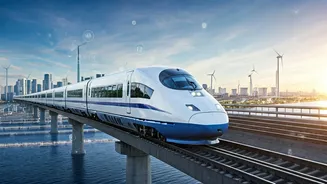
In line with its strategic infrastructure goals, the 2026 budget gave prominence to high-speed rail projects. The budget allocated substantial funds to accelerate the development of high-speed rail networks across India. These infrastructure investments aim to improve connectivity and reduce travel times between major cities. The goal is to stimulate economic activity by connecting urban hubs and commercial centers. By prioritizing these transportation advancements, the budget sought to boost India's infrastructure, boosting the movement of goods and people and enhancing the overall efficiency of the nation's economy. The expansion of high-speed rail lines underscored the government’s commitment to improving infrastructure and fostering economic progress. These efforts included constructing new routes and upgrading existing infrastructure to create a modern transportation system. The expansion plan demonstrated the government’s dedication to modernizing India’s infrastructure and improving its global competitiveness.
STT Implications, Expert Views
The budget included significant changes regarding the Securities Transaction Tax (STT). Market experts highlighted that adjustments to the STT could affect high-frequency traders and other market participants. Analysts examined how the modifications might influence market dynamics and investor strategies. Financial experts discussed how the tax adjustments could lead to changes in trading patterns. The impact of these tax updates was an important topic of discussion among financial experts. The government’s decision to adjust the tax was expected to have far-reaching effects on trading practices. The main idea was to improve market practices. These changes were expected to impact trading, with different analysts offering different perspectives.
Tourism Push, Economic Growth
Budget 2026 revealed a significant push towards the tourism sector, with many initiatives to encourage growth. These efforts included new infrastructure projects and investments. The purpose was to attract more tourists and boost the travel industry's contributions to the Indian economy. The budget also showcased the government's dedication to stimulating economic expansion. It focused on implementing policies that foster growth and innovation across various sectors. The focus on tourism, along with other key initiatives, showcased a strategic move to create jobs and generate revenue. These efforts aim to accelerate economic progress. The government’s approach to support economic growth involved investments and policy reforms. The tourism initiatives represented a key part of the larger economic strategy.
FM's Vision, Global GDP
The Finance Minister (FM) discussed India's increasing contribution to the global Gross Domestic Product (GDP). The FM highlighted the country’s significant role. The budget speech focused on how India is positioning itself on the world stage. The FM described the government’s vision for the future, highlighting key strategies and goals. The budget aimed to establish India as a major economic power. The budget speech highlighted India’s economic growth and its implications on the global stage. This reflected the government's confidence in India's progress.