





Gut Health's Ancient Roots
For generations, Indian households have intuitively understood the importance of digestive well-being, incorporating foods like curd rice for upset stomachs
or kanji during seasonal changes. These culinary traditions, often dismissed as mere home remedies, are now being recognized by scientific research for their profound impact on health. The gut, teeming with trillions of microorganisms, plays a pivotal role in digestion, nutrient absorption, and even immune system function. When this internal microbial community is balanced, the body operates at peak efficiency, fostering optimal health. Conversely, an imbalanced gut can lead to a cascade of issues, including fatigue, weakness, and deficiencies. This rediscovery of ancient wisdom, coinciding with World Health Day, highlights gut health's central role in overall physiological function, moving it from a niche topic to a fundamental aspect of health.
Tackling India's Malnutrition
India faces a complex 'triple burden' of malnutrition, encompassing undernutrition, obesity, and hidden hunger (micronutrient deficiencies). These issues are often discussed in isolation, but they are intricately linked by the body's ability to effectively utilize the food it consumes. Compromised gut health can significantly hinder nutrient absorption, meaning even an improved diet may not yield the desired results, particularly for children struggling with undernutrition. For individuals with micronutrient deficiencies, the primary challenge isn't just intake but actual assimilation. Emerging research indicates a connection between gut imbalances and metabolic processes, appetite regulation, and inflammation, suggesting the gut microbiome's involvement in the development of obesity and other lifestyle-related conditions.
Reviving Traditional Foods
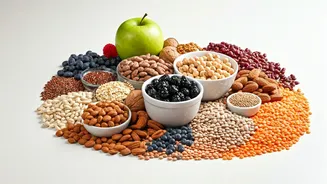
Modern nutrition discourse is shifting towards understanding how effectively the body processes food. Traditional Indian staples like idli, dosa, curd, and various pickles, alongside fiber-rich foods such as whole grains, pulses, fruits, and vegetables, have historically supported gut health, though this link wasn't always explicit. The increasing reliance on processed foods, which are often low in fiber and high in fat, sugar, and salt, contributes to a decline in health and the rise of non-communicable diseases like diabetes, cardiovascular issues, and cancer. The interplay between food science and culinary traditions is becoming crucial. Naturally occurring compounds in everyday foods, like glutamate found in tomatoes, mushrooms, and fermented products, not only enhance flavor (umami) but also nourish gut cells and support intestinal function, proving that nutrition and enjoyment can coexist.
A Path to Healthier Habits
Creating sustainable healthy habits in India requires aligning nutrition with cultural practices and enjoyment. Foods that are perceived as satisfying are more likely to be integrated into daily routines, especially in a culture where food is deeply intertwined with tradition. The way forward may involve a blend of rediscovered ancient knowledge and contemporary scientific understanding, emphasizing the addition of variety and balance rather than strict restriction. A growing awareness of digestion, immunity, and daily well-being is already signaling a shift in how food is perceived—as a foundational element for long-term health. For policymakers and industry leaders, this means integrating gut health into dietary guidelines, supporting research, and fostering an environment where healthier food choices are accessible, visible, and practical.