



Global Acclaim for Indian Classics
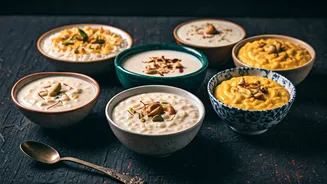
The esteemed food guide TasteAtlas has spotlighted the world's finest rice puddings, with India proudly featuring six of its most cherished regional variations.
This global recognition underscores the profound culinary heritage and diversity inherent in Indian desserts. Among these celebrated dishes, Phirni secured an impressive third place, lauded for its velvety texture and ceremonial significance. Following closely is Kheer, identified as one of India's most ancient and universally adored rice-based sweets, holding the seventh spot. The southern states are represented by Sakkarai Pongal, a sweet tribute to harvest festivities at fifteenth place, and its more day-to-day counterpart, Pongal, at nineteenth. Western India contributes Doodhpak, a decadent, saffron-infused indulgence ranked twenty-fourth, and the savory Ven Pongal, which occupies the twenty-sixth position, highlighting the remarkable spectrum of Indian rice preparations.
The Art of Slow Cooking
Food author and historian Sadaf Hussain emphasizes that the enduring appeal of Indian rice puddings lies in their unhurried preparation. The meticulous, slow simmering process is not merely about cooking; it's an immersive experience that imbues the dish with a unique depth of flavor and aroma. This deliberate approach transforms simple ingredients like milk and rice into a comforting and aromatic masterpiece. The extended cooking time allows for the flavors to meld beautifully, creating a rich and satisfying texture that is characteristic of these traditional desserts. This patient technique, coupled with the sensory experience of the evolving aromas, distinguishes these puddings, elevating them beyond mere sustenance to a culinary art form steeped in tradition and sensory pleasure.
Phirni: A Festive Delight
Phirni stands out as a creamy, exquisitely fragrant rice pudding, often presented chilled in traditional earthen bowls to enhance its cooling properties. Its preparation involves the slow, careful simmering of ground rice or rice flour with milk until a lusciously thick consistency is achieved, often enriched with sugar and fragrant spices like cardamom. This methodical cooking process, as noted by food historian Sadaf Hussain, is central to its charm, transforming basic ingredients into a celebratory delicacy. The slow infusion of flavors and the resulting smooth, dense texture are hallmarks of Phirni, making it a favored treat for festivals and special occasions across India, symbolizing joy and abundance with its delightful taste and presentation.
Kheer: Ancient Roots, Enduring Taste
Kheer, a venerable dessert in the Indian culinary landscape, boasts a history that stretches back to ancient texts, signifying its deep cultural roots and enduring popularity. This classic rice pudding is typically prepared by simmering rice with milk, sugar, and often flavored with cardamom, saffron, and nuts, creating a comforting and subtly sweet dish. Its long-standing presence in Indian cuisine, with minimal changes in its preparation over centuries, as observed by Hussain, highlights its timeless appeal. The rich, creamy texture and delicate aroma make Kheer a beloved staple, served at various gatherings and moments of celebration, embodying tradition and offering a taste of history in every spoonful, a testament to its consistent presence and cherished status.
Sakkarai Pongal: Harvest's Sweetness
Originating from South India, Sakkarai Pongal is more than just a dessert; it's a sweet embodiment of harvest festivities and agrarian traditions. This dish is traditionally prepared with rice, jaggery (unrefined cane sugar), ghee, and spices, often enhanced with cashews and raisins. Its connection to agricultural cycles signifies participation in the bounty of the land, linking consumption with the labor and beliefs of farming communities. Hussain explains that eating Sakkarai Pongal during harvest is a way of engaging with the cyclical relationship between humanity, the earth, and spiritual practices. This sweet rice preparation serves as a flavorful expression of gratitude and a celebration of abundance, deeply ingrained in the cultural fabric of the region and its people.
Pongal: Comfort in a Bowl
While often recognized for its savory counterparts, the inclusion of Pongal in the list of rice puddings highlights its comforting, porridge-like nature and its significance in daily South Indian life. This dish, typically made with rice and milk or coconut milk, can be sweetened or prepared in various ways, making it a versatile and staple food. Its simplicity and direct connection to everyday meals and cultural practices underscore its importance beyond just being a dessert. Pongal represents a fundamental aspect of South Indian culinary identity, providing warmth and nourishment, and serving as a familiar, cherished dish that resonates with a sense of home and routine for many, showcasing its role as a cultural cornerstone.
Doodhpak: Western Indian Richness
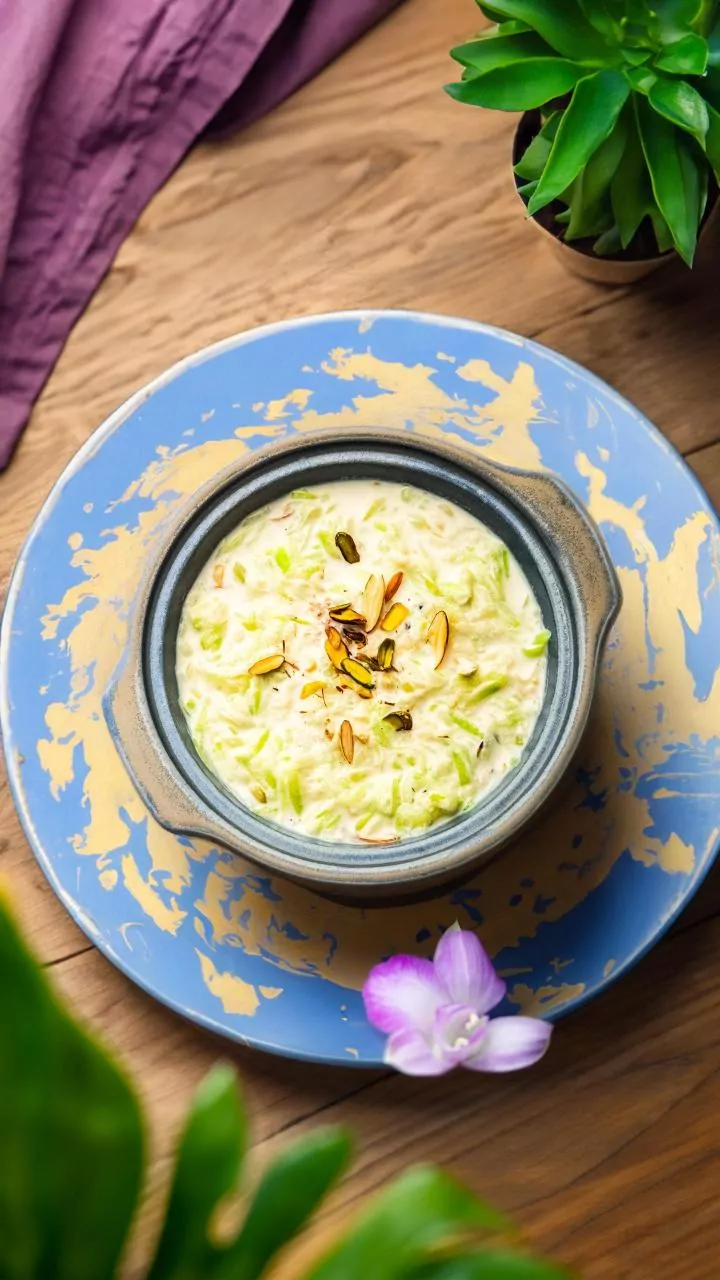
Doodhpak, a delectable offering from western India, presents a richer, more indulgent rendition of the classic rice pudding. This preparation distinguishes itself through the generous use of saffron, which imparts a beautiful golden hue and a distinct aroma, alongside a medley of nuts, adding textural contrast and depth. The focus on a more opulent and flavorful profile often reflects regional preferences for celebratory foods and a taste for richer culinary experiences. Doodhpak’s luxurious texture and aromatic complexity make it a standout dish, often reserved for special occasions and festive gatherings, embodying the spirit of abundance and celebratory feasting characteristic of Indian traditions.
Ven Pongal: Savory Spice
Ven Pongal offers a fascinating contrast by presenting a savory iteration of the beloved rice preparation. This dish masterfully balances the comforting texture of rice with the warmth of lentils, enriched by the aromatic spices of cumin and black pepper, and generously tempered with ghee. Chef Osama Jalali highlights how regional identity is deeply interwoven with culinary choices, shaped by climate, local ingredients, and lifestyle. Ven Pongal exemplifies this, showcasing how a fundamental ingredient like rice can be adapted to different palates and dietary customs, demonstrating the incredible diversity within Indian cuisine and the regional specificity that makes each dish a unique cultural expression.
Healthier Preparations
For those seeking a healthier approach without compromising on taste, chefs like Osama Jalali offer insightful modifications to these traditional rice puddings. For Phirni and Kheer, substituting refined sugar with natural sweeteners like dates or jaggery, and opting for low-fat or plant-based milks, are simple yet effective changes. Similarly, incorporating whole grains like brown rice or millets into Kheer and Pongal boosts fiber and nutrient content. For Sakkarai Pongal, reducing the quantity of jaggery and increasing lentils like moong dal enhances its nutritional profile. Ven Pongal can be fortified with vegetables for added fiber, and Doodhpak can incorporate fruits like lauki or apple for natural sweetness and volume. These adaptations demonstrate how cherished Indian rice dishes can align with contemporary health consciousness while retaining their essence.