



Welcoming the New Year
Vishu, observed on April 15, 2026, signifies the commencement of the Malayalam New Year and heralds the dawn of a fresh solar cycle as the sun enters Mesha
Rashi (Aries). This deeply cherished festival is a time of reflection, renewal, and hopeful anticipation for the year ahead, celebrated with vibrant traditions across Kerala. It’s a period where families come together to embrace good fortune and celebrate the essence of a new beginning, focusing on prosperity and optimism for the coming months. The customs associated with Vishu are designed to invite positive energies and ensure a prosperous and fulfilling year for all who partake in its festivities.
The Sacred Vishukkani
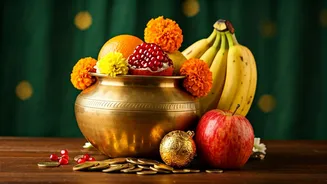
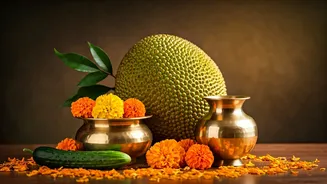
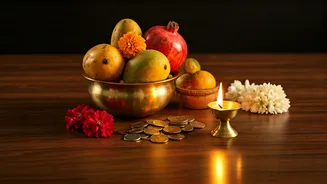
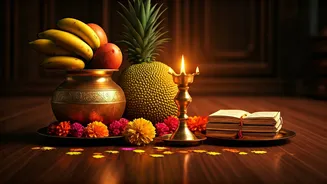
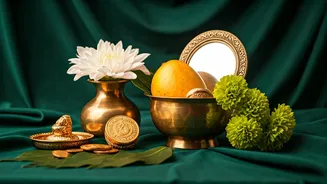
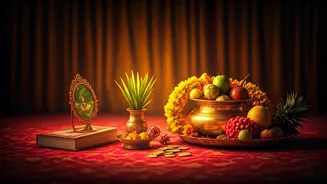
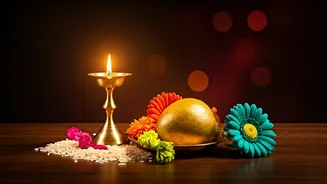
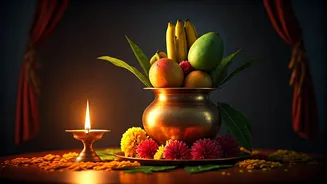
Central to the Vishu celebration is the Vishukkani, a meticulously arranged collection of auspicious items, believed to shape the fortunes of the year. This sacred display, prepared the evening prior by the eldest family member, is the very first sight one seeks upon waking on Vishu morning. Typically, the Vishukkani features an abundance of rice and paddy, signifying nourishment and plenty, alongside a variety of fresh fruits such as bananas, mangoes, and jackfruit, symbolizing nature's bounty. The arrangement also includes a whole coconut, a mirror to reflect oneself and the year ahead, a lit lamp (Nilavilakku) to dispel darkness, and precious items like coins and gold. Often, religious books or idols are included to invoke divine blessings. The golden blooms of the Kani Konna flower are an indispensable element, adding a vibrant touch of prosperity and good luck to the ensemble, creating a visually stunning and spiritually uplifting panorama.
Vishukkaineetam Blessings
Following the revered Vishukkani viewing, a cherished tradition known as Vishukkaineetam takes place. In this practice, elders bestow monetary gifts upon the younger members of the family as a heartfelt blessing. This gesture is steeped in symbolism, representing the transfer of prosperity, good fortune, and well-wishes for the ensuing year. It’s a beautiful exchange that reinforces familial bonds and ensures that abundance flows freely within the household, creating a sense of security and joy for everyone. This act of giving and receiving is a cornerstone of the Vishu spirit, embodying generosity and the hope for a year filled with financial well-being and success.
The Sumptuous Vishu Sadhya
No Vishu celebration is complete without the delectable Vishu Sadhya, a grand vegetarian feast served with immense pride and joy. Prepared with a variety of traditional dishes, the Sadhya is traditionally laid out and savored on a fresh banana leaf, enhancing the authentic culinary experience. The spread typically includes staples like steamed rice, a flavorful Sambar, a rich Avial (mixed vegetable curry), crisp Thoran (dry vegetable stir-fry), tangy pickles, and a sweet Payasam for dessert. Families congregate to share this magnificent meal, fostering a spirit of togetherness, unity, and collective celebration. The act of sharing the Sadhya is as significant as the food itself, reinforcing community ties and celebrating the bounty of the harvest season.
New Beginnings and Celebrations
Vishu marks a profound sense of renewal, often accompanied by the donning of new clothes, known as Puthukodi, symbolizing a fresh start and shedding the old. Homes are meticulously cleaned in preparation, reflecting a desire for purity and a welcoming environment for the year's blessings. The festivities are further enlivened by the joyous sounds of fireworks in many regions, adding an element of excitement and celebratory spirit. Visits to temples are also a common practice, as devotees seek divine grace and offer prayers for a prosperous year ahead. These multifaceted celebrations collectively embody the essence of Vishu as a time for personal and communal renewal, marking a significant transition into a new phase of life.
Wishes for a Blessed Year
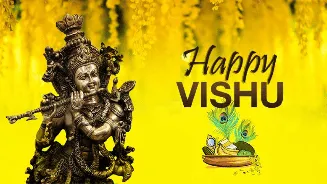
As Vishu dawns, a collection of heartfelt wishes are exchanged, extending hopes for prosperity, peace, and joy throughout the year. These sentiments, such as "May this Vishu open your life like the kani before dawn — full of light, hope, and quiet miracles waiting to unfold," capture the spirit of new beginnings and the anticipation of blessings. Others, like "Wishing you a Vishu where every moment feels like the first golden ray touching a brand-new beginning," emphasize the optimism associated with this festival. The wishes convey aspirations for dreams to grow, for days to shine as brightly as the Vishukkani, and for peace to permeate every aspect of life. They are designed to inspire courage, foster gratitude for simple joys, and encourage a steady, guided journey through the year, reflecting the deep cultural significance of embracing the future with hope and grace.