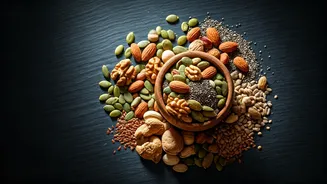







Protein's Incomplete Picture
While protein is often lauded for its role in muscle building and satiety, relying on it as the sole nutritional cornerstone is a common misconception.
Many dietary staples, like lentils, are often perceived as pure protein sources, but in reality, they are primarily carbohydrates containing amino acids. To achieve a complete amino acid profile, essential for the body's protein synthesis, these plant-based sources must be paired with cereals. This highlights that protein's efficacy is deeply intertwined with other macronutrients, suggesting that a singular focus on protein intake might overlook a critical component of balanced nutrition for overall health and bodily functions, particularly when considering how meals are constructed and the synergy of different food groups.
The Carbohydrate Fuel Source
When the body is deprived of carbohydrates, it faces a significant challenge in obtaining its primary fuel source: glucose. Without this essential energy provider, the body may resort to burning fat for sustenance, leading to the production of ketones. This metabolic shift can trigger a range of uncomfortable symptoms commonly referred to as 'low-carb flu,' including profound fatigue, persistent headaches, heightened irritability, and mental fogginess. Therefore, incorporating carbohydrates into one's diet is not merely about preference but a physiological necessity for maintaining consistent energy levels and preventing these adverse effects. The absence of carbs directly impacts the body's ability to function optimally, underscoring their importance beyond mere caloric intake.
Balancing Protein and Carbs
The satiating nature of protein contributes to a natural reduction in overall calorie intake and possesses a higher thermic effect, meaning the body expends more energy to digest it compared to fats or carbohydrates. This characteristic often links high-protein diets with rapid weight loss. However, the true advantage emerges when protein is consumed in conjunction with carbohydrates and healthy fats. This combination is paramount for stabilizing blood sugar levels, preventing drastic spikes and crashes, and promoting a prolonged sense of fullness. This synergistic approach ensures that the benefits of protein, such as satiety and metabolic impact, are amplified while maintaining stable energy and preventing overeating.
Smart Carb Choices Matter
While the importance of carbohydrates is undeniable, the quality of these carbs plays a critical role in their nutritional impact. Minimally processed and whole-food carbohydrates are strongly recommended for their superior nutritional benefits. Conversely, ultra-processed carbohydrates, which offer little to no discernible nutritional value, should be consumed sparingly. The overarching principle isn't to eliminate carbs entirely but to embrace a balanced dietary framework. This balanced approach includes incorporating complex carbohydrates, ensuring adequate protein and fat intake, and generously populating the diet with a variety of fruits and vegetables to provide a comprehensive spectrum of essential nutrients and fiber.
Optimizing Protein Absorption
The body's capacity to digest and absorb protein is generally robust, easily handling substantial amino acid loads. The primary challenge doesn't lie in digestion but in maximizing the meaningful support for muscle growth before diminishing returns set in. Research indicates that approximately 0.3–0.4 grams of protein per kilogram of body weight per meal, distributed across 3 to 4 meals daily to reach a total of 1.6 g/kg/day, optimizes muscle protein synthesis. While larger protein doses are not entirely wasted, they can extend the anabolic response or be utilized for repair and energy. Therefore, strategic distribution and quantity are key to leveraging protein's anabolic potential effectively.
Strategic Protein Distribution
To truly harness the benefits of protein, it's essential to distribute its intake evenly throughout the day. Prioritizing high-quality protein sources such as milk, eggs, fish, lean meats, or complementary plant-based options is fundamental. Crucially, each meal should aim to supply around 2.5–3 grams of leucine, a key amino acid that acts as a trigger for muscle-building processes. This dietary strategy, when combined with regular resistance exercise, adequate recovery periods, and spaced meals rather than constant snacking, helps to 're-sensitize' the body's systems, thereby enhancing the overall effectiveness of protein intake and promoting sustained muscle growth and repair.