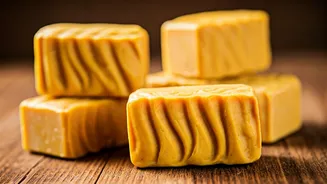

The Golden Glow
Turmeric soap, recognized for its vibrant yellow hue and connection to traditional medicine, is currently enjoying a surge in popularity. Its appeal stems
from the purported benefits of turmeric, the spice that gives curry its characteristic color and flavor. Turmeric has been a central element in Ayurvedic practices for millennia, valued for its potential health and skin-enhancing attributes. Many people are drawn to the idea of a natural product that can improve skin health. The rising interest in turmeric soap also aligns with a wider trend toward natural and holistic skincare solutions, where consumers actively seek products made with ingredients they can easily recognize and understand. This movement pushes for minimal chemical processing, and plant-based formulas.
Benefits Unveiled
Advocates of turmeric soap frequently highlight several skin benefits. The primary benefit is attributed to curcumin, the principal active compound in turmeric. Curcumin is renowned for its antioxidant and anti-inflammatory properties, making it valuable for combating free radicals that cause premature aging and also reducing skin inflammation, which is helpful for various skin conditions. Some claim that turmeric soap can assist with skin conditions such as acne, eczema, and psoriasis, as well as contribute to wound healing due to curcumin’s anti-inflammatory qualities, but this must be taken with a grain of salt. Furthermore, turmeric soap is thought to even out skin tone, diminish the visibility of dark spots and hyperpigmentation, and impart a radiant complexion. The use of turmeric soap is also associated with cleansing and exfoliating properties, contributing to a feeling of smoothness and improved overall skin health.
Who Should Avoid
While turmeric soap presents numerous potential advantages, it may not be suitable for everyone. Individuals with sensitive skin ought to proceed with caution because turmeric can sometimes cause irritation, redness, or allergic reactions. Before making it a regular element of their skincare routine, sensitive-skinned people are advised to carry out a patch test. For those with allergies to turmeric or related spices (such as ginger or cardamom), using turmeric soap is not recommended. Furthermore, people with particular skin conditions should consult a dermatologist before introducing turmeric soap, particularly if they are under medical treatment or are using other skin medications. This is to prevent probable drug interactions or exacerbation of existing skin problems. The usage of turmeric soap, specifically on damaged skin, such as open wounds or broken skin, could exacerbate irritation and increase the chance of infection.
Choosing Wisely
If you're considering turmeric soap, it's important to select a product that is authentic and well-formulated. Try to find a soap that contains a high concentration of turmeric or curcumin, which is often indicated on the product label. Check the ingredients list for other beneficial elements like essential oils (e.g., tea tree or lavender for their anti-inflammatory and antiseptic properties), as well as natural moisturizers like shea butter or coconut oil. Also, keep an eye on how the soap is produced, with cold-pressed soaps being preferred as the method ensures that the ingredients stay in the best possible shape. Start by using turmeric soap a few times per week to let your skin adjust. Always moisturize after use to preserve skin hydration. Regular use, along with consistent skincare, may yield the best results over time.