


LPG Supply Challenges
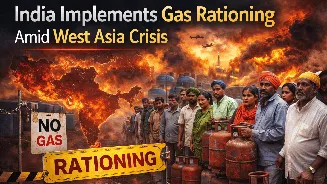
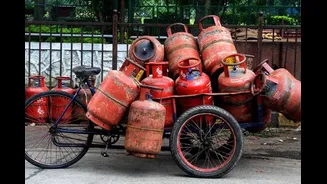
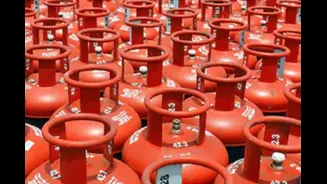
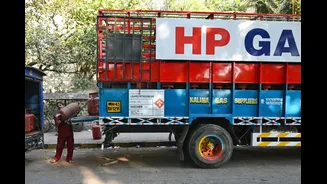
The extensive network of Indian Railways is currently facing a significant challenge posed by a dwindling supply of Liquefied Petroleum Gas (LPG). This
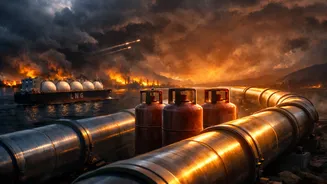
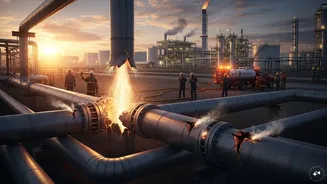
scarcity is directly impacting the preparation of cooked meals served on long-distance trains. The root cause of this disruption is traced back to the ongoing geopolitical conflicts in West Asia, which have unfortunately interfered with the regular transit of crucial natural gas shipments. A key transit point, the Strait of Hormuz, vital for India's energy imports, has seen its shipping routes compromised, leading to this critical gas shortage that now threatens the consistent delivery of hot meals to millions of passengers daily.
Station-Level Adaptations
In response to the looming LPG crisis, the Indian Railway Catering and Tourism Corporation (IRCTC) has issued a significant nationwide directive. All food plazas, refreshment rooms, and Jan Ahaar outlets located at railway stations are being instructed to transition to alternative cooking technologies. This proactive measure aims to ensure continued operations even if scheduled LPG deliveries face delays or complete interruptions. Specifically, these outlets are encouraged to adopt microwave ovens and electric induction cooktops. Furthermore, IRCTC is mandating that these catering units maintain a sufficient stock of ready-to-eat (RTE) food items. This ensures that passenger demand for meals can still be satisfied, preventing inconvenience and maintaining essential services across the vast railway station network. Catering operators are required to promptly report any emerging supply issues to their respective zonal authorities.
Impact on Train Meals
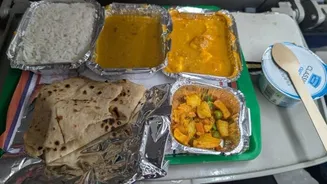
While pantry cars on trains are primarily designed for reheating pre-prepared meals and do not typically store LPG, the disruption in LPG supply is creating a ripple effect. The base kitchens operated by IRCTC, responsible for preparing meals served on long-distance journeys, are being significantly affected. India's railway system serves an impressive approximately 17 lakh meals every single day. A substantial portion of these, around 20%, are concentrated in the western zone, making it particularly susceptible to disruptions if the LPG shortage persists. Railway officials have issued warnings indicating that the situation could escalate, potentially leading to a temporary halt in the provision of freshly cooked meals onboard certain trains. Passengers who have pre-booked their meals are being assured that they will be eligible for refunds should these onboard services be suspended due to the crisis.
Government Energy Strategy
The Indian government is actively implementing measures to safeguard national energy supplies amidst this challenging period. Natural gas resources are being carefully rationed, with priority given to households that receive piped gas connections and vehicles operating on compressed natural gas (CNG). While industrial sectors continue to receive a substantial portion of their fuel needs, the government is simultaneously exploring alternative import routes to mitigate the shortfall in supply. In parallel, the authorities have invoked the Essential Commodities Act. This legal framework empowers the government to regulate domestic energy availability, ensuring greater stability and preventing potential price gouging or hoarding, thereby helping to maintain a steady flow of energy resources.