
US Tariff Announcement
Donald Trump, in a statement on Truth Social, declared an immediate 25% tariff on any country engaged in commerce with Iran. This decision came in response
to protests within Iran. An official executive order from the White House, detailing the implementation specifics, was still pending at the time. This announcement immediately raised concerns regarding international trade dynamics and the potential implications for various nations. The action signals a shift in US trade policy, directly impacting countries that maintain economic ties with Iran, and it sets the stage for a period of uncertainty and strategic adjustments among international trade partners. The implications of this policy have caused ripples within the global economy, as many countries now need to reassess their trade relationships.
India's Trade Concerns
India's trade relationships with crucial partners are under potential strain due to this tariff. Nations like China, Türkiye, and the United Arab Emirates (UAE), are expected to feel the brunt of this new trade regulation. Because much of India's trade passes through the UAE, the imposed tariff could have a substantial impact. The Indian Ministry of External Affairs and the Department of Commerce are carefully observing the developing situation. While the exact ramifications are not yet clear, Indian officials are actively involved in monitoring and assessing the possible economic effects of the US policy change. The potential impact on India's trade activities is considerable, requiring careful planning and strategic responses to mitigate any adverse consequences.
Impact on Exports
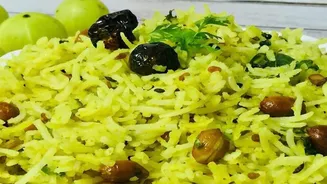
Certain Indian exports, specifically basmati rice and tea, could face challenges due to the tariff. Although much of this trade is routed via the UAE, the tariff introduces significant potential disruptions. This could lead to increased costs or reduced competitiveness in the international market for these products. The agricultural sector, along with tea exports, must prepare for possible challenges stemming from reduced demand or altered trade routes. India's exporters are now potentially facing increased trade costs, which could harm their competitiveness in international markets. This economic adjustment presents significant challenges for Indian exporters, requiring careful consideration of their market strategies.
Monitoring and Response
Indian authorities are monitoring developments closely. The Ministry of External Affairs and the Department of Commerce are actively assessing the implications of the US tariff policy. The lack of an executive order providing concrete details adds to the uncertainty. The government's immediate focus is on understanding the scope of the impact and formulating appropriate strategies. This involves engaging with affected trade partners, examining alternative trade routes, and perhaps negotiating to mitigate the impact of the tariffs. The government is committed to protecting India's economic interests amidst the shifting international trade dynamics, as they monitor the unfolding situation.