





Mawsynram's Rainfall Reign
Holding the esteemed title of the wettest place on Earth, Mawsynram, nestled in India's Meghalaya state, is a geographical marvel. This locale, situated
within the Khasi Hills, experiences an astonishing average annual precipitation exceeding 11,000 mm. Its strategic position along the Bay of Bengal's monsoon currents makes it a natural destination for abundant rainfall. The consequence of this perpetual dampness is a breathtakingly verdant environment, characterized by undulating emerald hills, dynamic waterfalls cascading down rocky faces, and the remarkable living root bridges, a testament to the ingenious adaptation of the indigenous Khasi people to their rain-soaked surroundings. The sheer volume of water shapes not just the flora but also the unique cultural practices and infrastructure.
Cherrapunji's Soaked Splendor
Though Mawsynram currently claims the top spot, its close neighbor, Cherrapunji, was once recognized as the wettest location globally. It continues to receive exceptionally high volumes of rain, consistently ranking among the planet's dampest locales. This area is renowned for its dramatic topographical features, including sheer cliffs that often disappear into the mist, intriguing cave systems carved by millennia of erosion, and spectacular waterfalls like the majestic Nohkalikai Falls. Cherrapunji vividly illustrates how continuous and intense rainfall can sculpt and define natural beauty, transforming the landscape into a spectacle of water-carved rock formations and vibrant, rain-fed vegetation. The constant moisture creates a unique and often ethereal atmosphere.
Tutunendo's Tropical Deluge
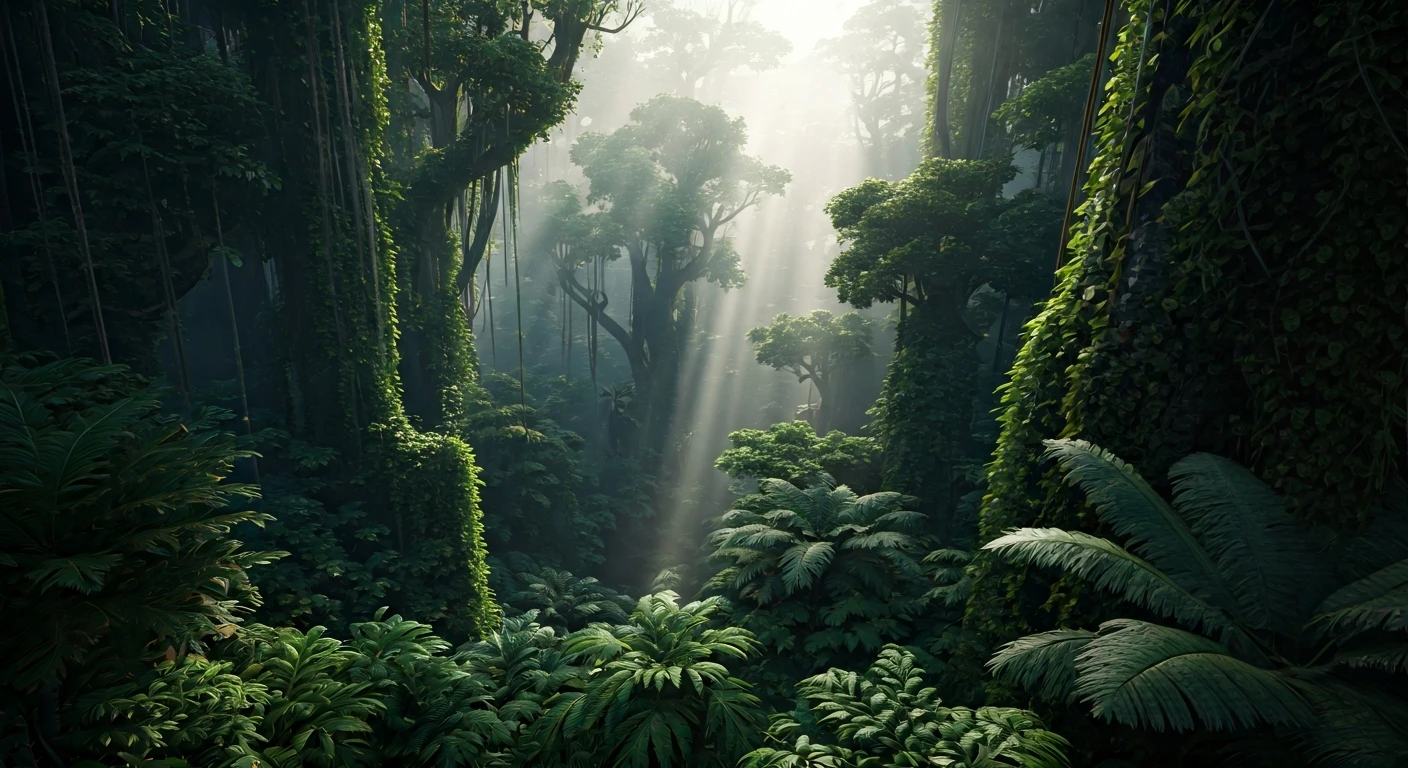
Venturing to South America, Tutunendo in Colombia's Choco region stands out as one of the most consistently rain-soaked inhabited areas. This location frequently records annual rainfall figures that surpass 11,000 mm, with the unique characteristic of experiencing rain on an almost daily basis. This consistent hydration is the lifeblood of the surrounding, incredibly dense tropical rainforest. The ecosystem here thrives under the perpetual dampness, fostering an unparalleled level of biodiversity. The sheer abundance of water supports an astonishing array of plant and animal life, making Tutunendo a prime example of a region whose ecological richness is directly a consequence of its extreme climate.
Debundscha's Coastal Moisture
Perched at the foot of the imposing Mount Cameroon, Debundscha experiences significant rainfall, driven by moist air currents originating from the ocean. As these winds ascend the mountain's slopes, they cool and release their moisture, leading to substantial precipitation. Annual rainfall in this area can reach approximately 10,000 mm. Despite the challenging weather conditions, Debundscha is celebrated for its picturesque coastal vistas, offering striking views where the lush, rain-fed landscape meets the sea, all set against the dramatic backdrop of the volcanic mountain. The constant moisture contributes to the vibrant, almost overwhelmingly green environment that characterizes the region.
Cropp River's Record Downpours
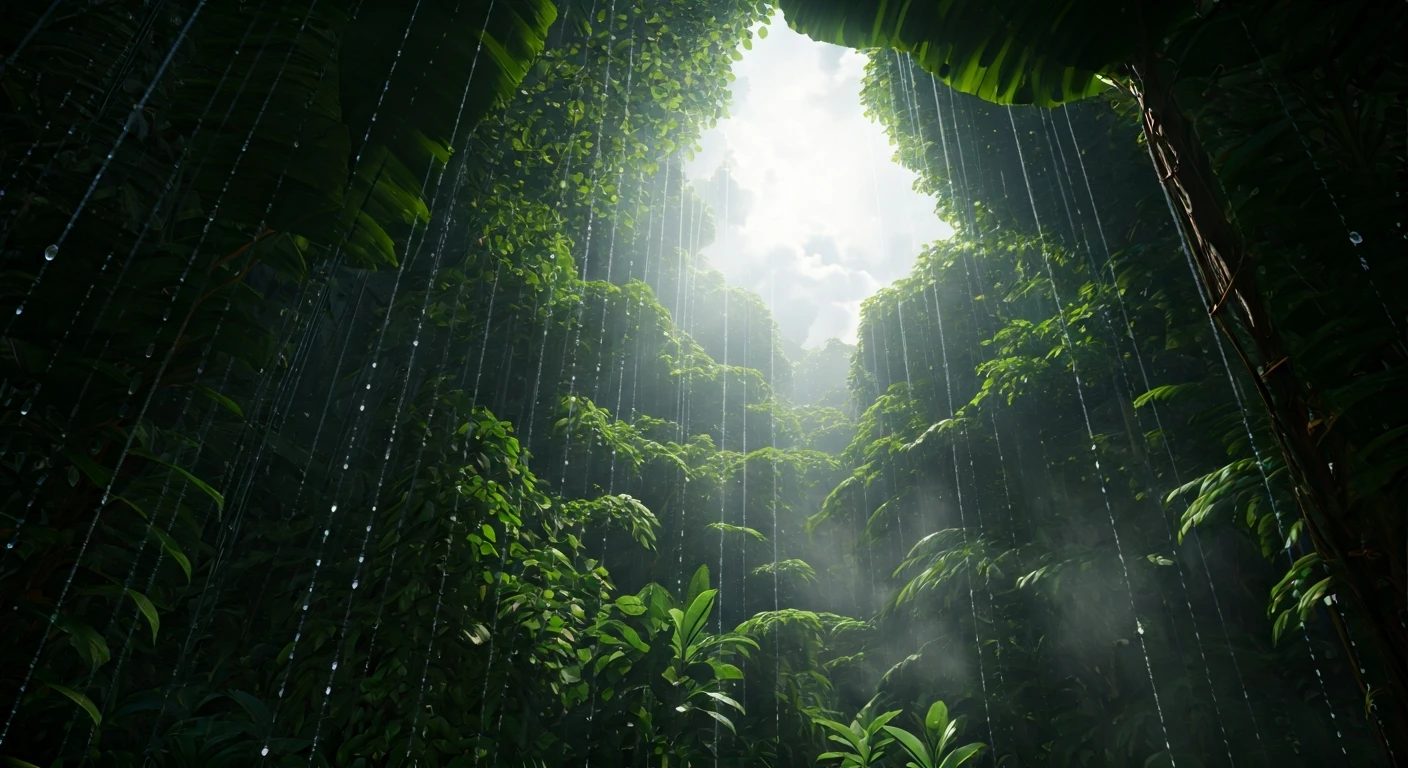
The remote Cropp River area in New Zealand's Southern Alps is not just wet; it's a place where rainfall records are shattered. This region holds the astonishing record for the highest rainfall recorded in a single year, exceeding an incredible 18,000 mm. Its geographical configuration plays a crucial role in this phenomenon. The mountainous terrain forces incoming air masses, heavy with moisture from the Tasman Sea, to ascend rapidly. This rapid uplift causes the air to cool quickly, leading to the condensation and subsequent release of enormous quantities of precipitation, resulting in extremely intense and frequent downpours that define the area.