







Understanding Visa Categories
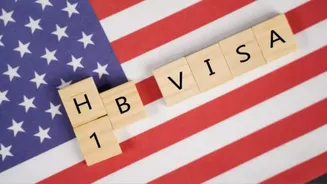
The H-1B visa is pivotal for US companies seeking to employ skilled workers in specialized roles. This visa typically supports professionals in fields
requiring theoretical or technical expertise, covering areas such as information technology, engineering, and finance. The H-4 visa, on the other hand, is specifically designed for the spouses and unmarried children (under 21 years of age) of H-1B visa holders. Consequently, individuals with H-4 visas are usually dependents of the H-1B visa holders. These categories facilitate the temporary employment of skilled foreign workers and their families, thereby contributing to the diversity and expertise within the American workforce. Both visa types are subject to stringent regulations and require meeting eligibility criteria set by US immigration laws. The interplay between these visas influences the careers and lives of numerous Indians who have ambitions to pursue opportunities in the United States.
Changes Introduced, Explained
The modifications introduced on December 15th likely involve adjustments to various aspects of the visa application and processing procedures. These can range from changes in required documentation, to new guidelines for the evaluation of applicant qualifications. Furthermore, the amendments might encompass modifications to the criteria for approving or denying visa applications, as well as alterations to the duration of stay permitted under these visa categories. Specific details of the revisions, such as the exact nature of the changes, the rationale behind them, and their potential impact, would be available on official sources like the United States Citizenship and Immigration Services (USCIS) website. Careful consideration of these official guidelines is crucial for all affected visa holders. Regular monitoring of updates from reliable sources is essential to stay informed about the implications of the visa policy adjustments.
Impact on Indian Professionals
Indian professionals holding H-1B visas might encounter shifts in how their applications are assessed. Potential changes could involve revised scrutiny of job roles to ensure compliance with specialized occupation requirements. There might be a closer examination of employer-employee relationships and prevailing wage guidelines to prevent abuse and maintain fair labor practices. Moreover, the updated rules could affect the ease with which Indian professionals can secure visa extensions or transfers between employers. Those applying for an H-1B visa would need to be well-prepared and ensure their applications are complete and accurately reflect their qualifications and job responsibilities. Awareness of the adjustments and seeking legal counsel would be critical for Indian professionals to ensure they remain in compliance with all immigration requirements. The implementation of these changes could affect career trajectories and long-term professional planning for many Indian citizens in the US.
H-4 Visa Holders' Perspective
The implications of the December 15th changes also stretch to H-4 visa holders, particularly considering their derivative status. Any alterations to H-1B visa policies would invariably have a cascading effect on H-4 visa holders. Changes could impact employment authorization for H-4 holders. Spouses of H-1B visa holders, who were previously granted work authorization, might face changes in their ability to work in the US, depending on any alterations. The application and renewal process of their H-4 visas could also become subject to new criteria or requirements, making it crucial for H-4 visa holders to stay updated on the latest developments and follow official guidelines. Families should be especially mindful of any new rules, since the ability to work, study, and stay in the US for H-4 visa holders depends heavily on the H-1B status. Seeking expert legal guidance will provide insights on navigating through the visa-related challenges.
Navigating the New Rules
To successfully maneuver through the new visa regulations, Indian visa holders must prioritize staying informed. This involves regularly checking official channels like the USCIS website and other government resources for updates. Consulting with experienced immigration attorneys is highly recommended. Legal professionals can provide personalized advice based on individual circumstances and explain how the modifications would affect them. Thoroughly reviewing all required documentation and ensuring compliance with the latest guidelines is essential for all H-1B and H-4 visa holders, to minimize potential issues during application. In addition, networking with fellow visa holders and participating in relevant forums can facilitate the exchange of useful information and experiences. Proactive engagement with these resources is key to adapting to evolving visa policies.
Long-Term Considerations and Planning
Considering the long-term, it's prudent for Indian citizens holding H-1B and H-4 visas to formulate strategic plans. This involves carefully assessing career prospects in light of the evolving visa rules. Those seeking to extend their visas or apply for green cards should prepare well in advance and gather the necessary documents. For families, these changes can affect choices about education, careers, and residence, so careful considerations and open dialogues are recommended. Long-term planning may involve weighing the benefits and drawbacks of staying in the US, and may include exploring alternatives depending on their specific circumstances. Engaging with legal counsel to formulate customized strategies that align with long-term goals is a crucial step. By proactively planning and adapting, Indian visa holders can be better positioned to overcome challenges associated with visa policy changes.