
Dynamic Air Fares
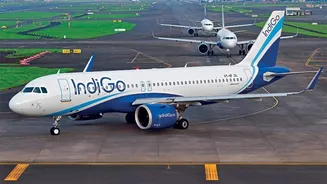
Dynamic air fares, a pricing model used by airlines, adjust ticket costs based on real-time factors like demand, booking time, and seasonality. This method
allows airlines to maximize revenue, but it also opens doors for price gouging, particularly during peak travel seasons or for last-minute bookings. The pricing can fluctuate drastically, creating a situation where passengers face significant price variations for the same journey. Airlines often use complex algorithms to determine these fares, which can result in prices that are inaccessible to many consumers. The primary objective of airlines using this model is to maximize profitability by capitalizing on fluctuating demand patterns. However, such practices often leave customers vulnerable to exorbitant pricing strategies.
Court Intervention Rationale
The Supreme Court's decision to intervene is a response to the complaints about the dynamic air fare system's potential for exploitation. Passengers have frequently voiced concerns regarding the opacity of pricing structures and the unpredictable nature of ticket prices. The court's role is to act as a safeguard to protect consumer rights and ensure fair business practices. The goal is to strike a balance between allowing airlines to operate profitably and protecting passengers from unfair pricing. The court's move aims to address issues like price fixing, lack of transparency, and the potential for unfair advantage in the aviation market. This action indicates that the court believes the current system does not sufficiently protect consumer interests.
Potential Outcomes
The Supreme Court's involvement might lead to several outcomes that could reshape the aviation sector in India. One likely result is increased transparency in airfare pricing, which would require airlines to provide detailed explanations of how they calculate ticket prices. The court could impose regulations on fare structures, possibly limiting the degree to which fares can fluctuate or setting maximum price limits during peak periods. Moreover, this could prompt stricter oversight of the dynamic fare system by aviation regulators. The court's decision may also encourage increased competition among airlines, potentially driving down overall ticket prices. This intervention could result in a more equitable and customer-friendly aviation market, addressing the balance between airline profitability and consumer welfare.
Impact on Passengers
The Supreme Court's intervention is expected to have a noticeable impact on passengers. More stable and predictable airfares are likely to be observed, making travel planning and budgeting simpler for consumers. Passengers might benefit from increased price transparency, which would allow them to make more informed choices about their bookings. Those who book in advance or during off-peak times could see more significant cost savings. The intervention by the court should enhance the overall customer experience by fostering a fairer and more reliable air travel environment. The long-term effects of this action could be a reduction in complaints regarding pricing practices.