






ETFs: An Overview
Exchange Traded Funds, or ETFs, represent a popular method for investors seeking exposure to various assets without directly owning them. These funds function
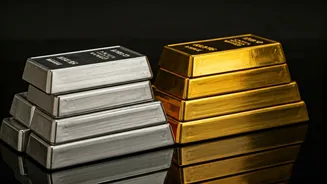
much like mutual funds but are traded on stock exchanges, offering real-time pricing and ease of buying and selling. For those interested in precious metals, ETFs offer a convenient route, allowing investors to participate in market movements without the complexities of physical storage or direct dealing. Silver ETFs, for example, saw significant gains, with some experiencing jumps up to 10%, while gold ETFs demonstrated increases of over 3% due to record bullion prices. Investors should note these shifts to understand how the market is reacting to various economic indicators.
Silver ETF Performance
The performance of Silver ETFs caught attention when they experienced considerable upward movement. Reports showed that these ETFs surged, with gains reaching up to 10% in some instances. This positive movement underscores the direct correlation between the price of silver and the performance of silver-backed ETFs. Investors observed how the market valued these assets and made decisions accordingly. The rise reflected a strong investor interest in silver as a valuable asset. Factors that boost the demand for silver, whether economic or financial, have a positive impact on these ETFs. Keeping tabs on the market indicators is crucial for managing investments in silver ETFs.
Gold ETF Gains
Gold ETFs also reflected the positive market sentiment, increasing by over 3%. This increase mirrored the overall bullish trend in precious metals during the same period. The gains in gold ETFs are often seen as an indicator of broader investor confidence in the market. As record bullion prices were recorded, the performance of Gold ETFs was watched closely by many. This surge could be attributed to a combination of factors, including economic uncertainties and the safe-haven status of gold. Investors were thus looking at gold as an asset that might provide a buffer against potential economic downturns.
Bullion Price Impact
The central driver behind the gains in both gold and silver ETFs was the increase in bullion prices. This surge in price reflected the underlying value of the physical metals and directly influenced the ETFs. When bullion prices rise, the value of the assets backing the ETFs increases, which is reflected in their market prices. Understanding the factors affecting bullion prices, from global economic trends to investor sentiment, is essential for anyone interested in investing in these ETFs. These trends underscore the importance of keeping abreast of changes in the precious metal market. It is also important to consider the effect of inflation and geopolitical events on the price of bullion.
Investor Strategies
Investors contemplating involvement in gold or silver ETFs should consider a range of strategies to maximize their return while managing risk. A key element is diversification: including both gold and silver ETFs in a portfolio can reduce exposure to a single asset's volatility. Another strategy involves regular monitoring of market trends and adjusting positions based on performance. For instance, if market prices go up significantly, investors might consider selling some shares to secure profits, or they could add more to their holdings if the market has a downturn, anticipating a potential price rebound. Seeking professional financial advice is highly recommended when dealing with financial products like these.