








Metro Exodus Beckons
A significant shift is underway in retirement planning across India, with many individuals choosing to depart from the frenetic energy of major metropolitan
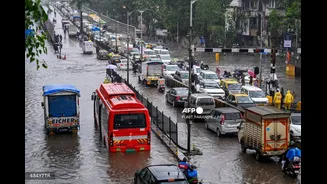
areas. Historically, settling in expansive urban centers like Mumbai, Delhi, or Bengaluru was often seen as the pinnacle of post-career success, driven by career advancements and enhanced earning potential. However, this narrative is evolving. Today's retirees are increasingly prioritizing tranquility and well-being over the relentless pace of city life. Factors such as the escalating cost of living, the sheer inconvenience of perpetual traffic jams, and the detrimental effects of pervasive pollution are compelling many to seek out less congested and more economically viable alternatives. This migration signifies a fundamental reevaluation of what constitutes an ideal retirement, with a growing emphasis placed on a balanced lifestyle and overall health rather than the competitive drive synonymous with large cities.
Emerging Havens Unveiled
A new echelon of cities is capturing the attention of retirees, offering a compelling blend of peace and affordability. Destinations like Dehradun, Indore, Chandigarh, Mysore, and Bhubaneswar are rapidly gaining traction as prime retirement spots. These locations provide a distinctly more relaxed tempo of life, coupled with significantly lower expenditure on daily living and a more salubrious environment. This appeal extends not just to senior citizens but also to middle-class families seeking a higher quality of life. The financial feasibility is a major draw; while a modest 3BHK apartment in a metro city can easily surpass Rs 1 crore, comparable housing options in these emerging hubs, complete with modern amenities, are available for prices ranging from Rs 30 lakh to Rs 1.5 crore, making them far more accessible for those on a fixed income or pension.
Infrastructure Reimagined
The burgeoning popularity of tier-2 cities as retirement destinations is significantly underpinned by substantial improvements in their infrastructural frameworks. Enhanced road networks, the development of expressways, and improved air connectivity have dramatically streamlined travel to and from larger urban centers. For example, the journey between Delhi and cities like Dehradun or Chandigarh has become remarkably more convenient in recent years, facilitating easier access to family and essential services. Real estate trends reflect this growing demand, with reports indicating a rise of approximately 20-25% in home purchases in these areas over the last few years. Experts anticipate that cities like Indore, Bhubaneswar, and Chandigarh will continue to experience robust development, with property values projected to increase by 25-100% in the coming years, fueled by increasing investment and strategic government initiatives aimed at nurturing these smaller urban landscapes.
Retirement's New Blueprint
The economic advantages of relocating to smaller cities for retirement are profound. The cost of essential living expenses, including rent, utilities, and daily necessities, is considerably lower when compared to metropolises. This financial relief allows retirees to make their savings or pensions last significantly longer, providing greater financial security and peace of mind. Beyond economics, the health benefits are equally compelling. Reduced levels of air and noise pollution contribute to a lower incidence of respiratory and cardiovascular ailments, fostering a healthier lifestyle. The serene atmosphere and opportunities for outdoor activities, such as morning walks, enhance daily comfort. Furthermore, these communities often cultivate stronger social ties, which can effectively mitigate feelings of loneliness and isolation often experienced by the elderly, thereby promoting a more fulfilling and connected retirement.