






Devastating Toll Emerges
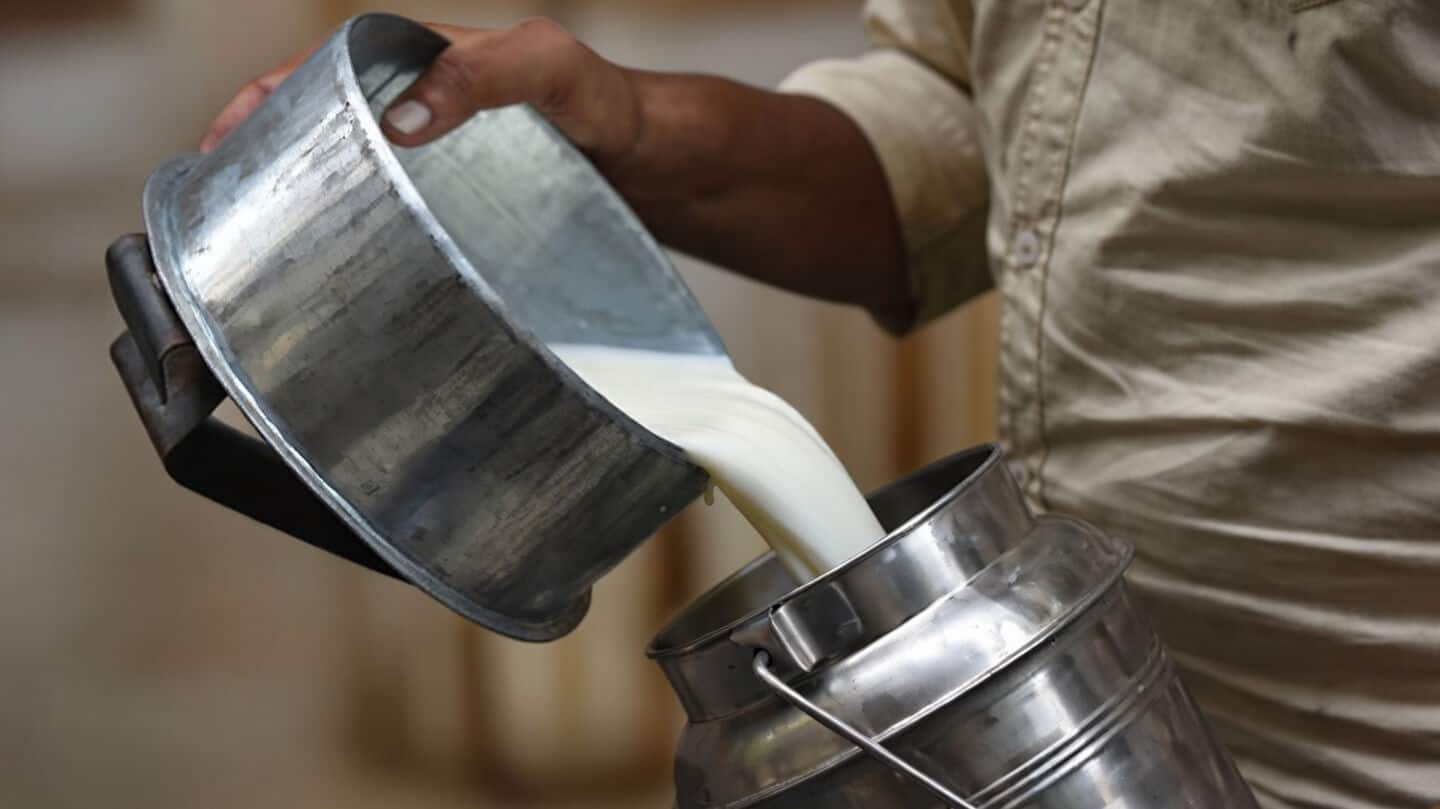
In a grim turn of events, the suspected milk adulteration case in Andhra Pradesh's East Godavari district has resulted in the tragic loss of 16 lives.
Three other individuals are currently receiving critical medical care in Rajamahendravaram hospitals. This devastating health crisis began to unfold in mid-February when residents of Lalacheruvu experienced severe health issues, including intense vomiting, agonizing abdominal pain, anuria (inability to urinate), and acute renal dysfunction, shortly after consuming milk from a local supplier. These severe symptoms led to numerous hospitalizations, sounding the alarm about a potentially widespread health hazard within the community.
Investigation Uncovers Toxin
The gravity of the situation became apparent on February 22, when a cluster of patients exhibiting symptoms of acute kidney failure was reported from the Chowdeswaranagar and Swaroopanagar areas. This prompted health authorities to initiate a thorough epidemiological investigation to identify the source and nature of the illness. Subsequent laboratory analyses provided a chilling explanation for the widespread suffering and fatalities. Official statements confirmed that the 16 victims died from multi-organ failure, a direct consequence of acute renal failure triggered by the consumption of milk contaminated with the highly toxic substance, ethylene glycol. Preliminary findings from medical assessments highlighted elevated blood urea and serum creatinine levels in the affected patients, strongly suggesting toxic exposure, with contaminated milk identified as the primary culprit.
Tracing the Contaminated Supply
The investigation pinpointed a dairy unit located in Narasapuram village, within the Korukonda mandal, as the suspected source of the adulterated milk. This unit had been supplying milk to over 100 families in the affected areas. Upon identification, immediate action was taken to halt all supplies from this dairy. The period between February 16 and March 21 saw a total of 20 individuals admitted to various hospitals due to the contamination. Of these, 16 tragically passed away, while three continue to receive intensive treatment, and one patient has since been discharged after making a full recovery. The affected individuals included both vulnerable elderly persons and young children, many of whom required advanced medical interventions such as dialysis and ventilator support. In response, authorities swiftly deployed emergency medical camps and initiated robust surveillance measures in the localities impacted by the contaminated milk.
Response and Remedial Actions
To effectively manage the crisis, dedicated Rapid Response Teams were formed. These teams comprised experienced medical specialists, epidemiologists, and surveillance officers tasked with closely monitoring the developing situation, conducting on-site visits to affected areas, and ensuring the swift identification of any individuals exhibiting symptoms. Furthermore, comprehensive house-to-house surveys were organized, reaching out to over 300 individuals from affected families. Blood samples were collected and subjected to rigorous testing, with the majority of results returning within normal parameters. The Food Safety Department also conducted thorough inspections of the suspected dairy unit, collecting samples of milk, curd, ghee, paneer, water, and other associated materials for extensive microbial and chemical analysis at multiple laboratories. A police case was registered on February 22, based on a complaint filed by the son of one of the deceased victims. The suspected milk vendor was taken into custody, and forensic teams meticulously examined the premises and collected crucial evidence. Additionally, teams from the Animal Husbandry Department collected further samples of milk, cattle feed, and water for toxicological analysis to rule out any external contamination factors. Senior health officials and specialist doctors from Hyderabad were dispatched to oversee treatment protocols and coordinate patient care across all involved hospitals. Authorities have stated that the situation is currently under control and further actions will be determined by the detailed laboratory findings and the ongoing investigation's outcomes.