






Session Kick-Off
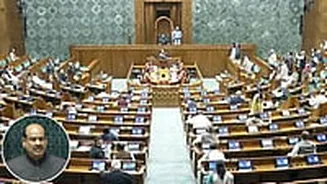
The 2026 Budget Session kicked off with President Droupadi Murmu addressing the joint sitting of both houses of Parliament. This opening address typically
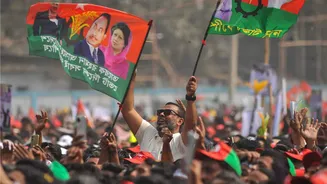
sets the stage for the discussions and debates that will follow. President Murmu highlighted India's achievements and underscored the importance of inclusive growth, signaling the government's priorities for the coming year. The session's commencement also included an obituary reference for former Bangladesh PM Khaleda Zia. Additionally, the proceedings started with tributes to significant figures, setting a respectful tone for the session's deliberations. The Lok Sabha and Rajya Sabha were adjourned until Thursday after the initial proceedings. The President's speech and the initial days of the session provide a glimpse into the issues that will dominate the discussions, including economic policies and social justice initiatives.
Budget Timeline Unveiled
Key dates for the 2026 Budget Session have been set, with the Union Budget scheduled to be presented in the Lok Sabha on February 1st. Prior to the budget presentation, the Economic Survey will be tabled, providing an in-depth analysis of the country's economic performance and forecasts. The announcement of the budget date and related documents is a crucial part of the process, with the government outlining its financial plans and priorities. The budget will again be delivered in a paperless format, reflecting the ongoing digital transformation within government operations. This shift to a digital format improves efficiency and aligns with broader efforts to modernize parliamentary procedures. The detailed budget schedule allows for a structured approach to the legislative process, with sufficient time for debates and scrutiny of the financial proposals.
Policy Discussions Ahead
Several policy issues are expected to be at the forefront of the discussions during the Budget Session. The opposition is seeking a debate on matters such as SIR and VB-G RAM G. However, the government has indicated that it won't be reversing any of its current policies. These debates often involve intense negotiations as the opposition challenges the government's plans, pushing for accountability and exploring policy modifications. The interaction between the government and the opposition is fundamental to the parliamentary process. It allows for a detailed examination of policies and ensures that the government is responsive to the needs and concerns of the public. The opposition's strategy session with Kharge further emphasizes their efforts to coordinate their approaches and work together efficiently to represent the electorate's viewpoints.
Budget's Historical Context
The budget process and the location where it is executed are rooted in tradition. The North Block remains central to the process, a place with a long-standing history related to financial governance. The process of budget printing has gone through extensive changes over the years. This year's budget will be presented by Sitharaman, who is set to present her ninth consecutive Union Budget. The Halwa Ceremony, a pre-budget ritual, also plays a crucial role in the budget's development, providing an official commencement to the printing process, marking a period of intense activity and preparation by officials. These elements, including the location and the traditional ceremony, give the Budget Session a sense of continuity. They ensure the process is in line with historical standards and provides stability within the administration.
President's Remarks Noted
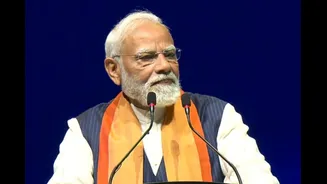
President Murmu's address provided significant insights into the government's perspectives and future goals. She praised Shubhanshu Shukla's space journey, acknowledging advancements and success across sectors. Her address highlighted India's commitment to social justice and comprehensive development, and this commitment sets a positive direction for future initiatives. PM Modi also hailed President Murmu's address, describing it as 'comprehensive and insightful', underlining the significance of her words. These comments demonstrate the importance of the President's contribution to the parliamentary process. They also show how important it is to have open discussions that enable collaborative governance. The President's address acts as a guide for policy debates and shows how the government is dedicated to the progress of the nation.