
Analyzing Recent Trends
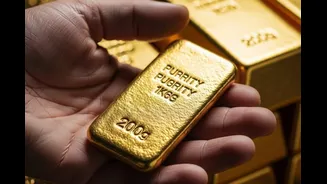
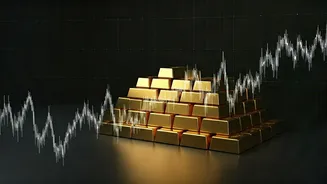
The gold market has been notably volatile recently, with prices experiencing both increases and decreases. These shifts are influenced by a complex web
of global economic factors. Increased inflation, fluctuating currency values, and geopolitical instability are some of the primary drivers that can lead to gold price movements. Investors often turn to gold as a safe haven during times of economic uncertainty, which can further influence price dynamics. Observing these trends closely is vital for making informed investment decisions and understanding the broader economic climate.
Factors Affecting Gold
Numerous elements contribute to the constant ebb and flow of gold prices. The strength of the US dollar plays a significant role, as a weaker dollar tends to make gold more attractive to foreign buyers, thus increasing demand and prices. Additionally, interest rate policies set by central banks globally affect gold prices; lower interest rates typically boost gold's appeal. Geopolitical events also have a considerable impact, as political unrest or conflicts often drive investors towards gold as a safe-haven asset. Supply-side issues, such as changes in gold mining output and demand from major consumers, such as China and India, also contribute to these movements. These many elements combine to create a dynamic and complex market for gold.
Gold's Role in India
In India, gold holds a special place, deeply rooted in cultural and economic significance. It is frequently associated with celebrations and is often considered a traditional investment. Domestic demand is influenced significantly by seasonal factors, such as the wedding season and festivals, during which the demand for gold often increases. The Indian government's import policies and any fluctuations in the rupee's exchange rate against the dollar also play significant roles in determining gold prices in the local market. Understanding the nuances of gold's role in the Indian market requires an appreciation of its cultural significance alongside its economic impact.
Future Outlook and Forecast
Predicting the future of gold prices involves examining several key indicators. The consensus among analysts varies, but common themes include the influence of global economic growth and inflation rates. Expectations about the actions of the US Federal Reserve, such as changes to interest rates, will likely shape the outlook. Furthermore, geopolitical developments and their associated effects will play a crucial role. Some forecasts anticipate continued volatility, while others predict steady growth. Monitoring these factors and staying updated with market analysis will be essential for investors to navigate the unpredictable world of gold.
Impact on Investors
The fluctuations in gold prices directly affect investors, creating both opportunities and risks. A rise in gold prices can provide considerable returns for those who hold it, while declines can lead to losses. Careful consideration is needed to make informed investment choices. Diversifying investment portfolios by including gold may act as a hedge against inflation and economic instability, thereby reducing risk. However, investors need to assess their risk tolerance and financial goals before investing in gold. Understanding market trends and economic indicators, as well as obtaining advice from financial experts, is crucial for making effective decisions about gold investments.