



Farmers' Interests Prioritized
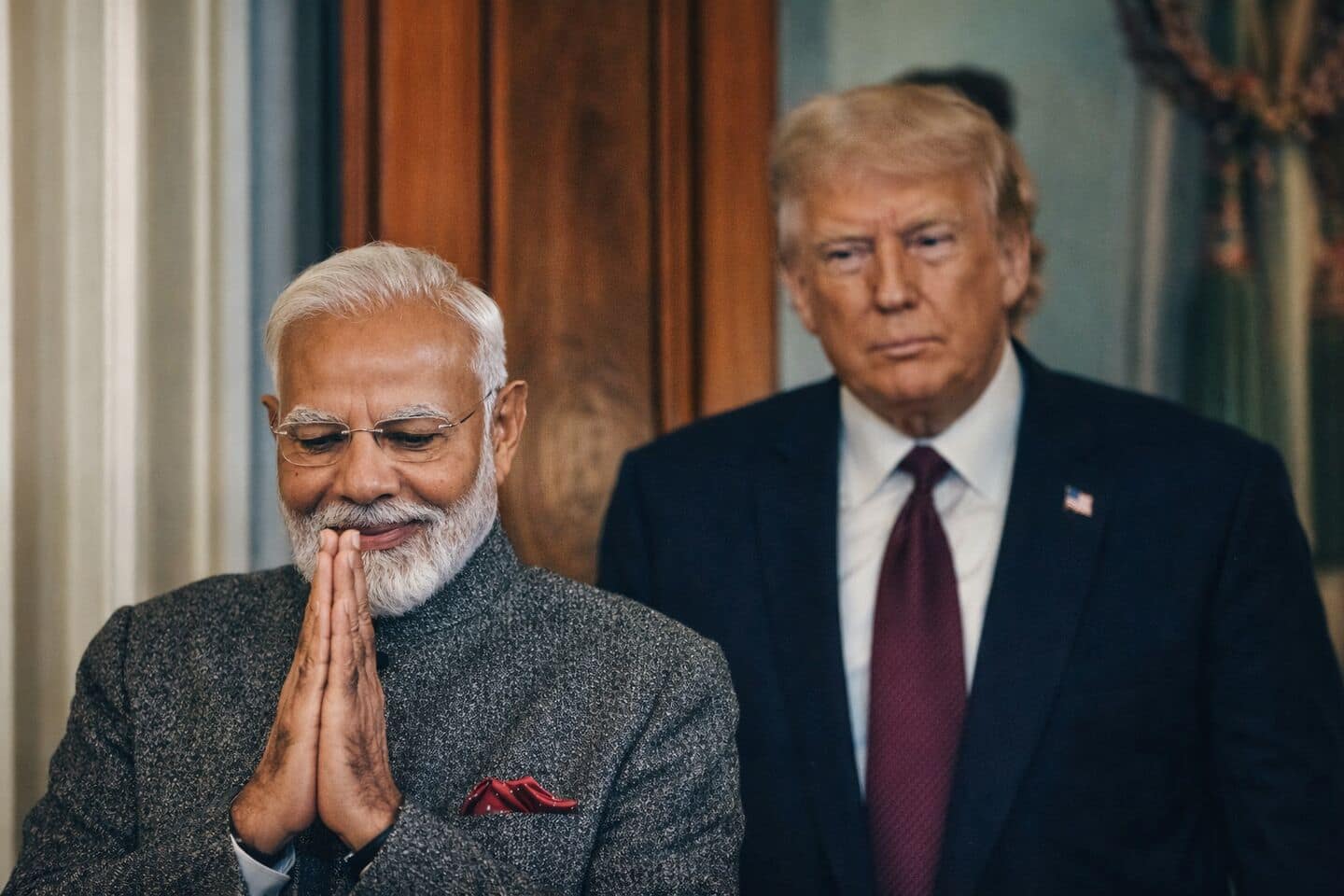
Union Agriculture Minister Shivraj Singh Chouhan has strongly refuted claims that the interim trade agreement between India and the United States poses
a threat to the nation's farmers. He unequivocally stated that the pact meticulously safeguards the agricultural interests of Indian cultivators, dismissing opposition narratives as unfounded. Chouhan emphasized that this agreement provides robust protection for vital commodities such as basmati rice, other rice varieties, numerous spices, and textiles. He further elaborated that the anticipated surge in exports resulting from this deal will directly translate into augmented income streams for farmers across the country, fostering greater economic stability and prosperity within the agricultural sector. This reassurance comes as a direct response to criticisms suggesting that the agreement might be detrimental to the livelihoods of those who form the backbone of India's food security and economy.
Trade Deal Safeguards Key Crops
Addressing the National Pulses Conference, Minister Chouhan provided specific details on the protective measures within the Indo-US trade agreement. He declared with confidence that all essential Indian crops remain secure under the terms of the deal. Notably, he confirmed that the agreement prevents the import of specific products from the United States, including maize, wheat, rice, soybean, poultry products, milk, cheese, ethanol, fuel, and tobacco. This strategic exclusion is designed to prevent undue competition and market disruption for domestic producers. Chouhan's assertion is a clear signal that the government's primary objective in these trade negotiations was to ensure that Indian farmers are not disadvantaged and that their hard work and produce are adequately valued and protected in the global marketplace. He reiterated his pride in the Prime Minister's leadership in achieving this outcome.
Boosting Farmer Incomes
The Indo-US trade agreement is projected to significantly enhance the financial well-being of Indian farmers by opening up new and expanded export opportunities. Minister Chouhan highlighted that the pact is not merely about protection but also about actively fostering growth and increasing farmer incomes. By facilitating greater access to international markets for Indian agricultural products, the agreement aims to stimulate demand and, consequently, remunerative prices for produce. The minister expressed optimism that this export-driven growth will lead to a substantial multiplication of farmers' earnings. He also touched upon government initiatives aimed at strengthening the agricultural ecosystem, such as promoting cluster farming models, providing seed kits, offering financial assistance for model farming at Rs 10,000 per hectare, and encouraging the establishment of pulse mills with substantial central government subsidies of up to Rs 25 lakh. The plan includes setting up 1,000 pulse mills nationwide, with 55 specifically in Madhya Pradesh, thereby creating a comprehensive system from seed to market for better farmer returns.