






Continued Central Force Deployment
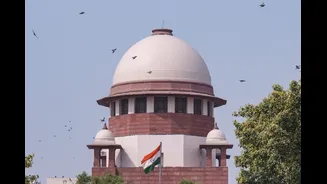
The Supreme Court has unequivocally stated that central forces will continue their deployment in West Bengal, underscoring concerns arising from recent
events that have generated anxiety among judicial officers. This decision was made after the court reviewed a video highlighting the apprehension of a judicial officer regarding the safety of her family. The bench, comprising Chief Justice Surya Kant and Justices Joymalya Bagchi and Vipul M Pancholi, expressed a firm stance that the withdrawal of central forces is contingent on the prevailing situation. The court also issued a stern warning, indicating that it would consider implementing appropriate measures if the state machinery falters in guaranteeing the security of judicial officers and facilitating the revision process without obstruction or threats. This ensures a secure environment for the critical task of electoral roll revision, preventing any potential disruption to democratic processes.
Expediting Voter Roll Appeals
In a significant development, the Supreme Court has directed the swift disposal of around 60 lakh claims and objections concerning deletions from electoral rolls during the Special Intensive Revision (SIR) in West Bengal. While acknowledging the establishment of 19 appellate tribunals to handle these pleas, the court noted that they were yet to become fully operational. To expedite the adjudication process, the Chief Justice of the Calcutta High Court was tasked with forming a three-member committee of former senior judges. This committee is responsible for formulating uniform procedures that all 19 tribunals must mandatorily follow, aiming for consistency and efficiency. The court clarified that these tribunals possess the authority to scrutinize the rationale behind inclusions or exclusions from voter lists and can review documentary evidence, even if not initially uploaded online, thereby ensuring a thorough and fair appeal process for all citizens.
Judicial Officers' Diligence
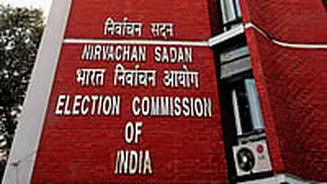
Despite reported disruptions and anxieties faced by judicial officers, the court was informed that by noon on April 6, judicial officers had successfully processed over 59.15 lakh out of approximately 60 lakh claims and objections. This remarkable efficiency was noted even in districts like Malda, where several judicial officers had reportedly encountered obstacles, including 'gherao' (encirclement). The Election Commission assured the bench that the remaining claims would be resolved by the end of the day, with a supplementary electoral roll slated for publication that same night. The court also granted an extension until April 7 for the completion of pending digital signature uploads, demonstrating flexibility while emphasizing the overall objective of concluding the revision process promptly and accurately. This highlights the dedication of the judicial machinery in fulfilling their electoral responsibilities.
Ensuring Fair Adjudication Environment
The Supreme Court stressed the paramount importance of cultivating an environment where the newly established tribunals can function optimally and impartially. The Chief Justice articulated the goal of maximizing the output of these tribunals, while Justice Bagchi reinforced the Election Commission's fundamental role in expanding, rather than curtailing, electoral participation. Concerns were raised regarding instances where documents could not be uploaded online, potentially leading to appeals being re-agitated and remanded by constitutional courts. The bench urged tribunals to provide clarity on the reasons for inclusion or exclusion from voter rolls, especially when appeals are filed due to a lack of information. This focus on transparency and accessibility is crucial for maintaining public trust in the electoral process and ensuring that every eligible citizen's voice is heard and considered.