






Experience Over Ownership
India's affluent consumers are undergoing a significant transformation, moving away from merely accumulating goods towards a more profound appreciation
for experiences. Travel has emerged as the undisputed leader in this shift, capturing an impressive 58% of all discretionary spending within the ultra-elite segment. This reorientation signifies a move towards consumption that is deeply personal and reflective of individual identity, rather than simply the quantity of items purchased. A recent whitepaper highlights that affluence in India is evolving into a phase where spending is more mindful and closely aligned with one's sense of self. This evolving consumer behavior is reshaping the landscape of premium lifestyle choices and how credit cards, as key enablers of such consumption, are utilized across various lifestyle segments.
Growing Affluent Base
The definition of affluence in India is broadening significantly, with a notable expansion in the number of individuals earning over Rs 10 lakh annually. This figure has surged from 69 lakh to 130 lakh, indicating a substantial increase in the consumer base capable of discretionary spending beyond essential needs. This growth is not confined to major metropolitan areas; emerging urban centers like Ahmedabad, Surat, Jaipur, and Lucknow are exhibiting consumption patterns that mirror those of established markets such as Mumbai, Delhi, and Bengaluru. This geographical diversification of affluent spending suggests a more widespread embrace of premium lifestyle choices across the nation, impacting various sectors of the economy.
Travel, Retail, and Dining
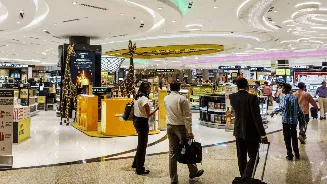
Travel, alongside retail and luxury goods, constitutes a substantial portion of the discretionary spending of India's affluent, making up 28% of the ultra-elite's total expenditures. This emphasis on premium experiences is further underscored by a high penetration of cross-border spending, standing at 63% within elite segments, showcasing a growing inclination towards global consumption patterns. Dining, too, has become a vital part of this experience-led economy. Nearly four out of five affluent Indians indulge in premium dining establishments at least three times annually, with an average annual spend approximating Rs 2 lakh. A single dining experience now typically costs around Rs 20,000, with Rs 50,000 representing a high-end benchmark, reflecting a refined palate and a willingness to invest in quality culinary adventures.
Access Over Ownership
The luxury market is witnessing a paradigm shift from traditional ownership to a more dynamic model centered on access. Over half of affluent consumers are now leveraging their credit cards for elite memberships, gaining entry to exclusive services and curated experiences. Furthermore, a significant seven out of ten prefer limited edition or specially curated offerings, signaling a desire for uniqueness and exclusivity. This trend extends to technology and wellness sectors as well. High-end gadget purchases average around Rs 60,000 per visit, while ultra-elite consumers are demonstrating a markedly increased engagement with wellness and cosmetic services, further indicating a preference for experiences that enhance well-being and personal care.
Integrated Lifestyle Ecosystems
The evolving affluent consumer in India is seeking comprehensive lifestyle ecosystems that seamlessly integrate various aspects of their lives, from travel and dining to wellness and digital payments. Key drivers for this premium consumption include the demand for convenience and efficient use of time. As consumers increasingly engage with digital payment solutions, they expect frictionless access to a wide array of services. This holistic approach to spending reflects a mature consumer who values not just the product or service itself, but the entire experience and the ease with which it can be integrated into their busy lives. This transformation signifies a move towards a more sophisticated and interconnected approach to discretionary spending.