





Understanding the Deadlift
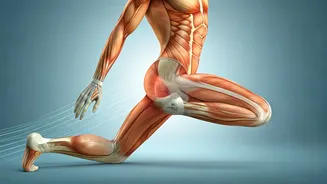
The deadlift stands out as a remarkably effective exercise for engaging multiple muscle groups throughout the entire body. However, its power comes with
a caveat: impeccable form is paramount, especially for novices. Mishandling this lift can lead to considerable strain on the lower back and joints, negating its benefits and potentially causing harm. For those new to deadlifts, the initial apprehension is understandable, but breaking down the movement into smaller, digestible steps can demystify the process. Seeking expert advice is crucial not only for perfecting technique but also for circumventing prevalent errors and fostering strength development in a secure manner. Sadhna Singh, a seasoned fitness and lifestyle consultant, emphasizes that while the deadlift is a cornerstone of a comprehensive workout, newcomers must prioritize mastering the correct form before attempting to increase the load.
The Lifting Sequence
Initiate the deadlift by positioning your feet approximately hip-width apart, ensuring the barbell is placed directly over your shins. Next, hinge at your hips, maintaining a neutral spine, and bend your knees just enough to comfortably grasp the bar slightly wider than your legs. Before initiating the pull, brace your core and keep your chest lifted and open. The lift itself is achieved by driving through your heels, extending your hips and knees simultaneously until you are standing upright, with the barbell resting against your thighs. To descend, reverse the motion by first hinging at your hips, and only then bending your knees once the bar has cleared them. For enhanced safety, it's highly recommended to start with minimal weight, or even a broomstick, to focus solely on the movement's mechanics. Prioritize controlled execution over speed. Wearing flat-soled shoes and utilizing a mirror or trainer's guidance can significantly aid in maintaining correct body alignment throughout the lift.
Building Confidence Safely
The apprehension surrounding deadlifts, particularly the fear of back injury, is widespread. However, this concern often stems from improper execution rather than the exercise itself. To cultivate the confidence needed for deadlifting, it's vital to strengthen the core and the posterior chain muscles. This can be achieved through supplementary exercises like glute bridges, planks, and hip hinges, which train your body to maintain spinal stability during the demands of lifting. These preparatory movements are instrumental in teaching your body the fundamental patterns required for a safe deadlift. By consistently engaging in these supporting exercises, you build a resilient foundation that can withstand the forces involved in the deadlift, gradually increasing your capacity and reducing the perceived risk.
Avoiding Common Pitfalls
A frequent error among beginners is rounding the lower back, a deviation that places undue stress on the spinal column. This mistake can be rectified by diligently practicing hip hinge drills and ensuring the chest remains elevated throughout the entire lifting motion. Another prevalent issue is allowing the barbell to drift away from the body during the lift. Keeping the bar in close proximity to your shins and thighs drastically reduces strain and enhances the efficiency of the movement. Furthermore, many novices mistakenly attempt to pull the bar upward using their arms, rather than generating power from the legs and hips. Reconceptualizing the deadlift as a 'push' through the floor, rather than a 'pull,' can effectively redirect focus to the primary muscle groups involved. Lastly, rushing to lift heavy weights prematurely is a common cause of compromised technique. Patience, gradual progression, and valuable feedback from a qualified coach or trainer are indispensable for safely mastering this compound exercise.