






A Historic Agreement
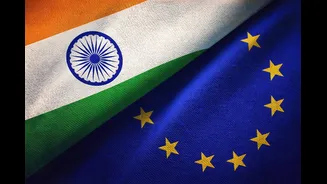
After two decades of discussion, India and the EU have concluded a major trade agreement, hailed by leaders as a watershed moment. This agreement isn't
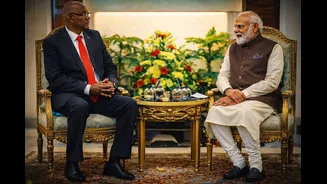
just a simple trade deal; it's designed to be a ‘living agreement,’ with provisions for regular reviews and adjustments to ensure it remains relevant and effective. Prime Minister Modi celebrated the signing, emphasizing its importance for fostering economic growth and strengthening ties between India and the EU. The agreement's flexible nature and regular review mechanisms indicate a forward-looking approach, ensuring it adapts to changing market dynamics and evolving economic priorities for both India and the EU. This strategic framework underscores a long-term commitment to a mutually beneficial economic partnership.
Trade and Tariff Benefits
The trade agreement promises a significant boost in exports, potentially doubling trade between India and the EU. The agreement includes tariff reductions on approximately 96% of goods, making it easier and cheaper for businesses to trade across borders. This will be especially beneficial for sectors like European wines, which are expected to become less expensive for Indian consumers due to reduced tariffs. These tariff cuts and trade facilitation measures will lower the cost of doing business, making Indian products more competitive in the EU market and vice-versa. This comprehensive approach underscores the deal's potential to drive economic growth and create new opportunities for businesses and consumers alike, strengthening the overall economic relationship between India and the EU.
Energy Sector Opportunity
The agreement is expected to be a significant catalyst for the energy sector, presenting a potential $500 billion opportunity. While the agreement focuses primarily on trade in goods, the energy sector is poised to benefit substantially. This focus comes at a crucial time. In addition to expanding India's overall trade volume, the agreement is expected to play a crucial role in enabling a strategic reset of energy partnerships between India and other nations. The agreement could facilitate increased cooperation on energy projects and technologies, supporting India's sustainable development goals. The energy sector's inclusion underscores the agreement's broad scope and its potential to contribute to India's economic advancement.
Automotive and Other Sectors
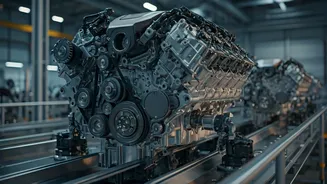
The deal includes specific provisions for the automotive sector. India has offered EU automakers a quota six times larger than that offered to the UK, demonstrating a commitment to supporting European manufacturers. This move underscores India's strategy to balance trade relationships and encourage investment in critical sectors. These measures will significantly benefit EU automakers, and contribute to the growth of India's manufacturing capabilities. This move demonstrates India’s broader aim of attracting investment and boosting its manufacturing capabilities. In addition to automotive, various sectors are set to gain from reduced tariffs and streamlined trade processes, further improving India’s export competitiveness.