
Budget 2026 Overview
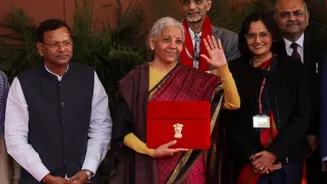
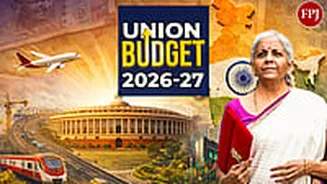
The anticipation around Budget 2026 is palpable, as it sets the stage for India's economic trajectory. The budget's unveiling by Finance Minister Nirmala
Sitharaman will be preceded by the Economic Survey, presenting a detailed analysis of the economy. The focus will be on the projected GDP growth numbers and strategic financial planning. It's crucial to understand the budget's importance and implications for different sectors. Previous budgets and surveys give a perspective on possible policy shifts, sector-specific allocations, and initiatives aimed at fostering economic growth and stability. The Economic Survey's release is particularly significant, as it provides a comprehensive assessment of the economic landscape and sets the tone for the budget. Therefore, the budget will show how the government intends to address challenges and capitalize on opportunities. The Economic Survey in India serves a dual role: it gauges economic performance and sets the stage for the budget's strategic outlook.
Defense Spending Analysis
An important component of the budget is defense spending. Considering the past five years of budgetary data can offer insights into how defense allocations have evolved. This information can reveal trends in funding for different defense-related areas, such as equipment modernization, research and development, and personnel costs. Examining these trends allows one to assess how the government prioritizes defense and its strategic objectives. Such insights also help understand how geopolitical factors and national security concerns shape defense spending patterns. Any shifts in defense spending reveal the government's strategic focus, which can have ripple effects throughout the economy, especially in related industries. By examining defense spending, one gains insights into national security priorities, which play a role in India’s economic growth and stability. This analysis can also highlight how defense spending aligns with geopolitical developments and strategic requirements.
India-EU FTA Outlook
The potential implications of a trade agreement between India and the European Union are a focus of interest. Discussions surrounding such a deal would cover its potential impacts on trade flows, tariffs, and market access. Experts and analysts examine how a trade agreement could affect the Indian economy. Understanding the potential changes in import duties, and how the deal would influence specific sectors such as manufacturing, services, and agriculture, is key. Another aspect of the trade deal's analysis revolves around the dynamics of trade relationships, with the discussion of the entry of goods from different countries, such as Turkey, into India's market. Any such trade agreement can reshape the dynamics of trade, offering benefits such as boosting trade volumes and creating new economic opportunities. Therefore, assessing the India-EU trade agreement requires a comprehensive look at various factors.