




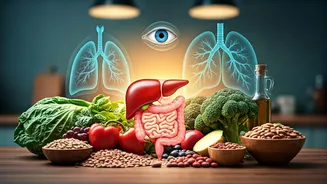
Visceral Fat's Liver Threat
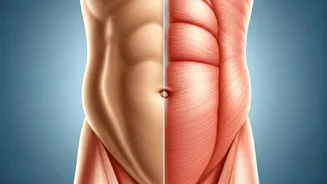
Stubborn belly fat, known medically as visceral fat, poses a significant threat to your liver's well-being, extending far beyond mere aesthetic concerns.
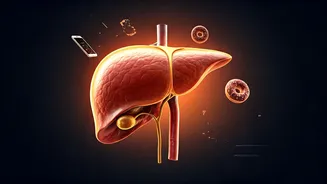
Unlike the fat just beneath your skin, visceral fat resides deep within your abdominal cavity, encasing vital organs. This metabolically active fat actively releases inflammatory compounds and fatty acids directly into your bloodstream. Over time, this constant influx places a considerable burden on your liver, promoting fat accumulation within its cells and paving the way for chronic damage. This process is often insidious, building up gradually due to routine lifestyle choices that may appear innocuous on the surface, leading to conditions like Non-Alcoholic Fatty Liver Disease (NAFLD).
Alcohol's Cumulative Impact
The notion that only daily heavy drinking harms your liver is a misconception; even sporadic, heavy consumption like weekend binge drinking can accumulate damage. Liver risk is intrinsically tied to the total amount and pattern of alcohol exposure, not solely on daily intake. Repeated episodes of drinking large quantities in a short period can promote the buildup of fat within liver cells. Alcohol metabolism triggers an increase in NADH levels, which inhibits the body's ability to break down fat, thereby favouring its storage as triglycerides. Furthermore, this metabolic process escalates oxidative stress and inflammatory signalling pathways within the liver, compounding the damage over time.
Sugary Drinks Fuel Fat
Consuming beverages high in fructose places a direct and significant strain on your liver, as this sugar is primarily metabolized there. This metabolic pathway can boost triglyceride production and encourage fat deposition, particularly when fructose is ingested in liquid form, which lacks the fibre present in whole foods that would otherwise slow absorption. The liver bypasses several key regulatory steps when processing fructose, leading to increased de novo lipogenesis, the process of creating new fatty acids. This rapid influx of fructose from sugary drinks, without the moderating effect of fibre, accelerates the accumulation of fat within liver cells.
Paracetamol Strain Explained
While standard doses of paracetamol (acetaminophen) are generally safe, frequent or excessive intake, especially when combined with alcohol, can dangerously stress the liver. The liver processes paracetamol, and during this metabolism, a toxic by-product is generated. Normally, the body neutralizes this substance using glutathione. However, when paracetamol intake is too high, or when glutathione levels are depleted (which can happen with alcohol consumption), this toxic metabolite can accumulate and cause direct injury to liver cells. This highlights the importance of adhering to recommended dosages and avoiding concurrent use with alcohol.
Processed Foods Ignite Inflammation
A diet rich in ultra-processed foods is strongly associated with an increased risk of fatty liver, insulin resistance, and metabolic syndrome. These foods are typically calorie-dense but nutrient-poor, often leading to overconsumption and intense cravings. Beyond excess calories, they can promote chronic low-grade inflammation throughout the body, including within the liver. This inflammatory state, coupled with poor nutrient balance and disruption of the gut-liver axis, creates an environment conducive to fat deposition and the progression of liver disease.
Belly Fat's Vicious Cycle
The persistent presence of visceral fat creates a detrimental cycle that directly fuels liver disease. This type of fat actively releases free fatty acids into the portal circulation, the primary blood vessel system that carries blood from the digestive organs to the liver. This direct delivery significantly increases the fat load on the liver, exacerbating existing metabolic strain. Furthermore, visceral fat actively promotes insulin resistance and triggers inflammatory signalling pathways, both of which are key drivers of steatosis (fatty liver) and can accelerate the progression to more severe forms of liver damage.