






Understanding Masik Shivaratri
Masik Shivaratri is a monthly observance deeply revered in Hinduism, dedicated to the worship of Lord Shiva, the supreme deity symbolizing compassion and
divine consciousness. This sacred fast is observed on the Chaturdashi tithi during the Krishna Paksha of each lunar month, as per the traditional Hindu lunisolar calendar. The forthcoming Masik Shivaratri, falling within the Phalguna month, is scheduled for March 17, 2026. This occasion offers devotees a monthly opportunity to connect with the divine energy of Lord Shiva, seeking his blessings for spiritual growth and overcoming life's challenges. The observance is considered highly significant for spiritual aspirants and devout followers alike, fostering a sense of peace and devotion.
Key Timings for 2026
For the Masik Shivaratri on March 17, 2026, specific timings are crucial for devotees. Sunrise is expected at 6:37 AM, with sunset at 6:32 PM. The moonrise is anticipated early at 5:20 AM, and moonset at 5:05 AM. The Chaturdashi tithi, the essential period for the observance, commences at 09:23 AM on March 17 and concludes at 08:25 AM on March 18. The most auspicious time for the Nishita Kaal Puja, the midnight ritual, falls on March 18, spanning from 12:10 AM to 12:58 AM. These timings, based on IST for Ujjain, provide a clear framework for devotees to plan their day and night of worship effectively.
Spiritual Significance and Benefits
Observing the Masik Shivaratri Vrat is believed to bestow profound spiritual benefits upon devotees. According to ancient traditions, this fast helps individuals transcend the influence of the 'Tamas' (ignorance) and 'Rajas' (passion) gunas, leading to greater self-control and inner harmony. Through dedicated meditation on this day, devotees can cultivate mastery over negative emotions like envy, selfishness, and anger, fostering a more positive and balanced mental state. For ardent followers of Lord Shiva, the merit gained from observing Shivaratri is considered equivalent to performing the Ashvamedha Yagna, a highly significant ancient Vedic sacrifice. Furthermore, sincere observance of this Vrat is believed to grant 'moksha' (liberation) and cleanse individuals of accumulated karmic debts and past sins, paving a path towards spiritual freedom.
Rituals and Observances
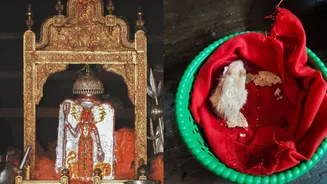
The Masik Shivaratri observance begins with devotees waking early and maintaining purity of body and mind throughout the day. The fast typically involves abstaining from grains and consuming only permitted items such as fruits, milk, and water. A significant aspect of the observance is remaining awake throughout the night, engaging in the chanting of the sacred mantra 'Om Namah Shivaya' and listening to the Shivaratri Vrat Katha. In temples, the Shiva Lingam undergoes a sacred ritual bathing ceremony every three hours, typically with milk, curd, and honey. Devotees offer auspicious bilva leaves, flowers, and fruits to the deity. Many also participate in the pujas and 'artis' (devotional rituals) conducted in Shiva temples, which often continue through the night, creating an atmosphere of intense spiritual fervor and devotion.