





The Price Surge
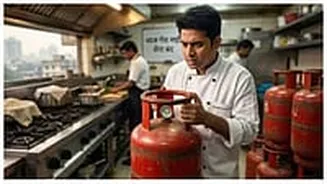
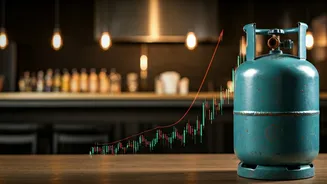
The recent sharp increase in Liquefied Petroleum Gas (LPG) prices has significantly impacted Delhi's commercial kitchens, creating substantial financial
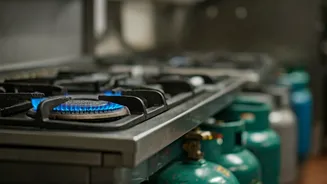
pressure. For instance, the cost of a 19-kg commercial LPG cylinder saw a steep rise of approximately ₹993 on May 1, 2026, reaching ₹3,071.50 from ₹2,078, marking an almost 50% hike. Similarly, 5kg commercial cylinders increased by ₹261, totaling ₹810.50. This dramatic escalation has been described as a systemic shock, overwhelming businesses already struggling with thinner margins. The National Restaurant Association of India (NRAI) notes that a gradual increase would have been more manageable, but this sudden 50% jump presents a formidable hurdle. Beyond the immediate cost, industry leaders highlight an ongoing infrastructure crisis, particularly in areas like Noida, where gas pipeline access remains limited and approvals for shifts to alternative fuels are slow and inconsistent, thus compelling businesses to remain dependent on expensive LPG cylinders despite efforts to explore alternatives. The regulatory landscape in Delhi also poses unique challenges, such as the requirement for gas meters to be on the ground floor, which can be a significant obstacle for restaurants located on upper levels, limiting their ability to transition away from cylinders.
Adapting Strategies
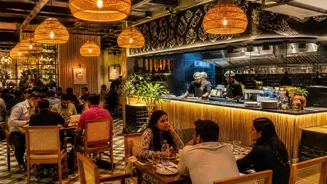
In response to the escalating LPG costs, Delhi's eateries are implementing a variety of innovative strategies to manage their operational expenses and maintain customer loyalty. Some larger chains, having anticipated such price fluctuations, have proactively shifted to electrical systems and piped natural gas (PNG), allowing them to keep menu prices stable. For instance, The Beer Café has already transitioned almost entirely to these alternatives, thus avoiding passing the increased costs onto their patrons. Other establishments are focusing on optimizing energy consumption by investing in more efficient cooking equipment, such as induction cooktops and modern ovens, which consume less fuel. Pre-preparation of certain dishes and implementing energy-efficient cooking techniques among kitchen staff are also common practices. Regarding menu management, some restaurants are strategically reviewing their offerings, potentially phasing out dishes that demand extensive cooking times or high heat. Instead, they are emphasizing items that are quicker and less energy-intensive to prepare. For instance, Café Raya uses an oven and electricity-based approach for about 60% of its menu, enabling it to absorb the cost increase by reducing its own margins rather than raising prices. This 'people-over-profit' approach prioritizes customer retention over immediate financial gains. Pour Over Coffee Roasters, while absorbing costs and maintaining menu prices and guest experience, is actively engaging with industry bodies to advocate for more stable pricing and highlight these challenges.
Navigating Challenges
The surge in LPG prices presents a multifaceted challenge for Delhi's restaurant industry, extending beyond the direct fuel cost to impact the broader supply chain and operational logistics. While larger, well-prepared establishments have found ways to mitigate the impact through early adoption of alternative energy sources, many smaller, standalone eateries find themselves in a precarious position, potentially facing no choice but to adjust their prices. The logistical constraints, particularly in a city like Delhi, further complicate matters. Regulations mandating gas meter installations on the ground floor can be a significant barrier for restaurants housed on upper levels, restricting their ability to transition to piped gas, a hurdle not as prevalent in neighboring states like Uttar Pradesh or Haryana. This creates a dependency on costly LPG cylinders for many urban businesses. Furthermore, the increased operational costs for LPG inevitably trickle down to suppliers of other ingredients, leading to a ripple effect that further strains restaurant finances. The industry is therefore navigating a complex period requiring both logistical agility and financial resilience, with the hope that global oil market trends will eventually lead to a more stable and affordable energy landscape for commercial kitchens.