






Urgent Water Conservation Measures
The Brihanmumbai Municipal Corporation (BMC) has declared a mandatory 10% reduction in water supply for all city residents, effective May 15, 2024. This
decisive action stems from significant concerns regarding the ongoing El Niño weather pattern and the alarmingly low water levels currently observed in the city's primary reservoirs. Officials emphasize that this precautionary step is crucial for managing water resources effectively, especially in anticipation of a potentially inconsistent monsoon season. The goal is to preserve the existing water stock, ensuring that the city has a reliable supply throughout the summer and into the early monsoon period, despite the prevailing climate uncertainties. Residents are strongly encouraged to adopt water-saving habits to complement these municipal efforts and contribute to the overall conservation drive.
El Niño's Impact on Rainfall
The decision to impose a water cut is directly linked to the anticipated effects of the El Niño phenomenon, which often disrupts normal weather patterns, including monsoon rainfall. Experts warn that even if the monsoon arrives as scheduled, the precipitation might not be as consistent or as heavy as usual. This potential variability in rainfall makes it imperative to conserve water during the pre-monsoon phase. The BMC is closely monitoring the situation, and with the monsoon still some distance away, a reduction in consumption is seen as a vital strategy to safeguard water reserves. The 10% cut is designed to stretch the available water, aiming to ensure that the city's needs are met until the monsoon season becomes more established and rainfall improves.
Reservoir Levels and Buffer Stock
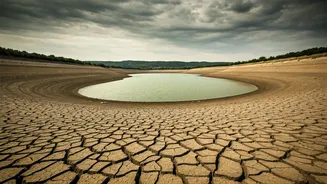
As of the latest reports from the BMC's hydraulic department, the collective water stock in the city's seven key lakes has fallen to a critical 28.35% of capacity. This reserve is typically meant to sustain Mumbai until the monsoon season begins. To bolster this dwindling supply, the BMC has formally requested an additional carry-over storage from the state government, amounting to 147 million cubic metres from the Bhatsa lake and 90 million cubic metres from the Vaitarna lake, totaling 237 million cubic metres. This buffer stock, combined with the reduced consumption resulting from the 10% water cut, is projected to extend the water supply until approximately August 17. This strategy is particularly important given the unpredictable nature of El Niño, aiming to guarantee water availability until the monsoon reliably sets in.
Advanced Forecasting Tools
In its efforts to enhance pre-monsoon preparedness, the BMC is leveraging advanced technology, including data from the India Meteorological Department (IMD) and AI-based forecasting models developed in collaboration with the Indian Institutes of Technology. These sophisticated predictive tools are designed to provide early alerts about potential heavy rainfall events, even preceding official IMD advisories. This proactive approach enables the BMC to plan more effectively and make timely decisions, reducing the reliance on last-minute emergency measures. By anticipating weather patterns with greater accuracy, authorities can better manage water resources and infrastructure, ultimately leading to more robust and efficient preparedness for the monsoon season and mitigating the impact of unexpected events on city life.