




Swift Sanctions Imposed
Shortly after diplomatic engagements concluded in Oman, the United States rolled out a new wave of economic restrictions specifically aimed at Iran's vital
oil trade. This move underscores a persistent U.S. policy of leveraging financial pressure, even as channels for dialogue remain active. Officials stated these measures are designed to impede Iran's ability to fund regional destabilization and internal repression through its oil exports. The announcement came swiftly following a day of discussions in Muscat, which Iran's representatives characterized as having a positive tenor, though no concrete agreements were publicly disclosed. This strategic timing highlights Washington's intent to maintain leverage through financial means, irrespective of ongoing diplomatic efforts, demonstrating a dual-pronged approach to its foreign policy objectives concerning Iran.
Targeting the "Shadow Fleet"
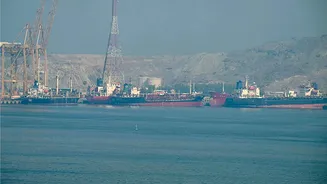
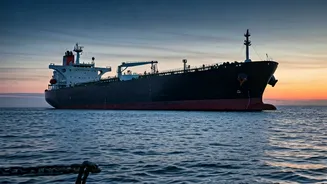
The recently enacted sanctions specifically target 14 vessels accused of transporting Iranian oil in defiance of existing international restrictions. These vessels reportedly operate under flags of various nations, including Turkey, India, and the United Arab Emirates. Beyond the maritime assets, Washington has also designated 15 business entities and two individuals believed to be instrumental in facilitating Iran’s petroleum and petrochemical exports. A State Department spokesperson emphasized that Iran continues to depend on oil revenues to finance activities deemed hostile by the U.S. The administration, under President Trump, remains committed to significantly reducing Iran’s oil and petrochemical exports as part of its broader "maximum pressure" strategy. This multifaceted approach aims to disrupt the intricate network of front companies and vessels, often referred to as Iran's "shadow fleet," which is utilized to circumvent existing oil embargoes and sanctions, thereby ensuring compliance with U.S. directives.
Diplomacy and Pressure Coexist
This latest round of sanctions unfolds against a backdrop of diplomatic engagement, illustrating a parallel approach by the United States. Despite the introduction of new financial penalties, Iran's Foreign Minister described the indirect talks in Oman with senior U.S. envoys as constructive, although no definitive outcomes have been announced. These discussions occurred during a period of elevated tensions, marked by U.S. threats of military intervention and an increased American military presence in proximity to Iran's coast. U.S. officials have explicitly stated that the enforcement of sanctions will persist regardless of the negotiation process. Since President Trump's initial term, the U.S. has pursued a policy aimed at curtailing Iran's oil sales by urging other countries to cease purchasing Iranian crude. Furthermore, these sanctions are also being implemented in light of Iran's documented history of severe crackdowns on domestic protests in recent years, which U.S. officials frequently cite as a justification for their stringent measures. The simultaneous pursuit of dialogue and economic pressure sends a clear message from Washington: while engagement may continue, the tightening of financial restrictions on Iran's oil sector is set to remain a prominent feature of U.S. policy.