

Northern Plains & Himalayas
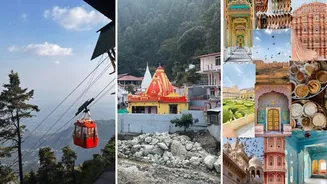
The northern part of India is dominated by the vast Indo-Gangetic Plain and the majestic Himalayan mountain range. This region, characterized by its fertile
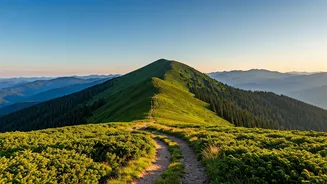
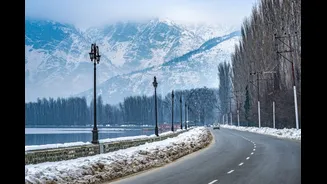
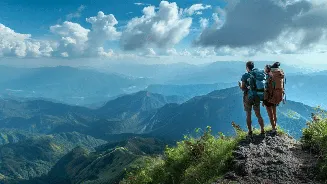
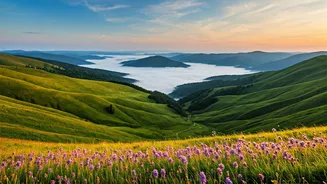
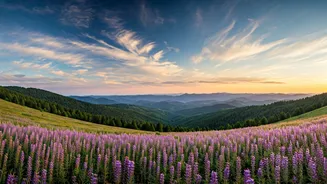
alluvial soil, is a cradle of ancient civilizations and significant rivers like the Ganges and Yamuna. States such as Punjab, Haryana, Uttar Pradesh, and Rajasthan, despite being part of the plains, offer diverse landscapes. Punjab and Haryana are primarily agricultural powerhouses, while Uttar Pradesh is densely populated and historically rich. Rajasthan, on the other hand, features arid and semi-arid terrains with the Thar Desert, offering a stark contrast. The Himalayas, spanning states like Himachal Pradesh and Uttarakhand, present breathtaking mountainous vistas, pristine glaciers, and a cooler climate, making them popular for tourism and spirituality. This geographical diversity supports a wide array of ecosystems and livelihoods.
Western Coastal & Desert Regions
Western India presents a captivating mix of coastal beauty and arid desert landscapes. Gujarat, with its extensive coastline, is a hub for trade and industry, boasting vibrant cities and unique wildlife sanctuaries like the Rann of Kutch. The state's geography supports diverse agriculture and a significant industrial base. Moving inland, Rajasthan continues to showcase its desert allure, with cities like Jaipur and Udaipur drawing global attention for their rich history and architectural marvels. Further south, Maharashtra offers a varied topography, from the Sahyadri mountain range to its bustling coastal cities like Mumbai. The state's economy is heavily influenced by its strategic coastal location and its position as India's financial capital. This region's geography has shaped its culture, economy, and the resilience of its people, adapting to both water scarcity and coastal dynamism.
Central Indian Highlands
Central India, primarily comprising Madhya Pradesh and Chhattisgarh, is characterized by its plateaus, hills, and forests. This region is rich in mineral resources and boasts significant biodiversity, including vast tiger reserves and ancient cave systems like those at Ajanta and Ellora (though Ajanta and Ellora are technically in Maharashtra, the general region is often associated with Central Indian exploration). Madhya Pradesh, often called the 'Heart of India', is home to a significant portion of India's forests and wildlife, with important rivers like the Narmada and Tapti flowing through it. Chhattisgarh, known for its tribal heritage, is abundant in coal, iron ore, and other minerals, and its landscape is dominated by dense forests and the Dandakaranya plateau. The region's topography influences its agricultural practices and settlement patterns, with many communities living in close proximity to nature.
Eastern Plains & Coastline
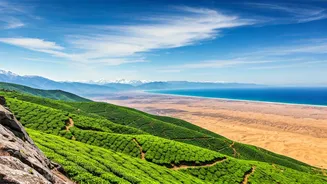
Eastern India is defined by its fertile plains, major river systems, and a significant coastline along the Bay of Bengal. States like West Bengal and Odisha are crucial agricultural zones, benefiting from the Ganges delta and major rivers like the Mahanadi. West Bengal, with Kolkata as its cultural capital, is a blend of urban vibrancy and rural landscapes. Odisha, known for its rich history, temples, and coastline, is also susceptible to cyclones due to its geographical position. Further east, the northeastern states, including Assam and Tripura, present a distinct geographical character with lush green hills, dense forests, and powerful rivers like the Brahmaputra. Assam's landscape is dominated by the Brahmaputra valley, supporting tea cultivation and diverse wildlife. Tripura, a hilly state, is known for its unique cultural heritage. This region's geography is integral to its culture, economy, and the challenges it faces from its varied terrain and climate.
Southern Peninsular Regions
The southern part of India is a peninsula characterized by its diverse geography, including the Western Ghats, the Eastern Ghats, and a long, undulating coastline. States like Tamil Nadu, Kerala, Karnataka, Andhra Pradesh, and Telangana showcase remarkable environmental variations. Tamil Nadu and Andhra Pradesh, with their extensive coastlines, are significant for agriculture and fisheries, while also housing major industrial centers. Kerala, nestled between the Western Ghats and the Arabian Sea, is famous for its backwaters, tropical climate, and lush greenery. Karnataka, with its diverse topography ranging from the Deccan plateau to the Western Ghats, is a hub for technology and traditional crafts. Telangana, the youngest state, is characterized by its plateau region and significant agricultural output. The distinct geographical features of these states have fostered unique cultural identities, distinct cuisines, and specialized economic activities, making South India a vibrant mosaic of India's diverse landscape.
Island Territories and Special Regions
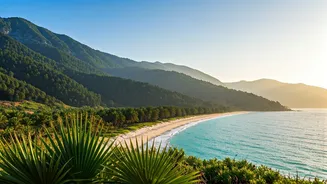
Beyond the mainland, India's geographical marvel extends to its island territories, namely the Andaman and Nicobar Islands in the Bay of Bengal and Lakshadweep in the Arabian Sea. The Andaman and Nicobar Islands are a chain of tropical islands with dense rainforests, pristine beaches, and rich marine biodiversity, making them popular for eco-tourism and research. Lakshadweep, an archipelago of coral islands, offers stunning coral reefs and clear turquoise waters, ideal for diving and snorkeling. These island territories, due to their isolated geographical locations, possess unique ecosystems and cultures that are distinct from the mainland. Their preservation is crucial for maintaining India's ecological balance and showcasing its varied natural heritage. These regions represent the far reaches of India's diverse geographical expanse, offering unique ecological and cultural experiences.