




TMC's Electoral Grievance
The Trinamool Congress (TMC) has lodged a significant claim with the Supreme Court, asserting that the results of the 2021 assembly elections in West Bengal
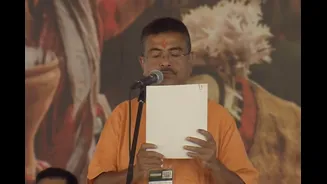
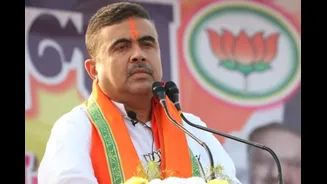
were potentially skewed in 31 constituencies. According to the party, they lost these seats by margins that were less than the number of voters who had been removed from the electoral rolls during the Special Intensive Revision (SIR) process. This assertion was put forth by Chief Minister Mamata Banerjee in a plea filed before the apex court, challenging a Calcutta High Court order that had nullified her election win from Nandigram. The TMC's plea further suggests a failure on the part of the Election Commission of India to provide crucial details regarding the electoral rolls in Nandigram, information the party sought to substantiate its claims of irregularities during the vote counting. The high court's decision to not consider the evidence presented by Banerjee concerning alleged vote manipulation has also been cited as an error. The Nandigram contest itself was notably close, with Banerjee facing off against her former associate Suvendu Adhikari, who ultimately won by a slim margin of 1,956 votes. The TMC has consistently maintained that the counting process was flawed and that votes intended for Banerjee were not properly accounted for, also levelling accusations of bias against the ECI and demanding a thorough recount.
Supreme Court's Direction
During a Supreme Court hearing, TMC leader Kalyan Banerjee articulated the party's contention that the deletions in the electoral roll, specifically during the Special Intensive Revision (SIR), had a considerable bearing on the election outcomes across 31 assembly seats in West Bengal. He presented a case where a candidate's defeat was by 862 votes, while over 5,432 individuals had been removed from the voter lists in that particular constituency. The TMC also highlighted a broader disparity of approximately 32 lakh votes between them and the BJP, with an additional 35 lakh appeals pending resolution at appellate tribunals. Justice Joymlaya Bagchi had previously commented that if a winning margin is narrower than the number of deleted voters, a judicial review might be justified. However, the Election Commission argued that an election petition is the proper legal avenue for such claims. The Supreme Court bench, led by Chief Justice of India Surya Kant and Justice Joymlaya Bagchi, has now advised the TMC to submit fresh applications to the court. These applications are expected to meticulously detail how the electoral roll deletions specifically and materially influenced the election results. The court also acknowledged the significant time frame, estimated at a minimum of four years, that it would likely take for the pending appeals at the appellate tribunals to be processed, emphasizing a desire for the prompt resolution of these matters.