





Gut Microbes Upset
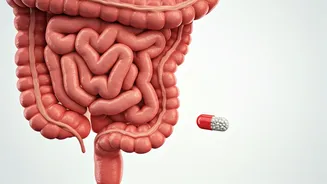
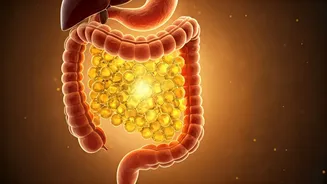
Antibiotics, designed to combat bacterial infections, don’t discriminate between harmful and beneficial bacteria. Consequently, they often disrupt the delicate
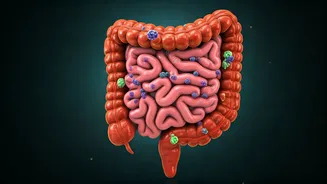
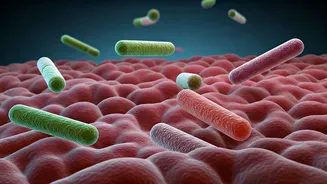
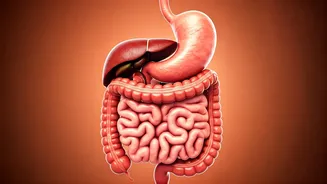
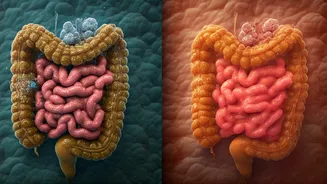
balance of the gut microbiome. The gut microbiome is a complex ecosystem of microorganisms that perform essential functions like aiding digestion and strengthening immunity. When antibiotics wipe out both good and bad bacteria, it can lead to dysbiosis, an imbalance in the gut flora, which can have various health implications. This disruption can create an environment where harmful bacteria, fungi, and other pathogens can thrive, leading to infections and digestive issues.
Diarrhea as a Result
One of the most common side effects of antibiotic misuse is antibiotic-associated diarrhea. This occurs because antibiotics disrupt the normal balance of bacteria in the gut, making it difficult for the digestive system to function correctly. The diarrhea can range from mild to severe and may be accompanied by abdominal cramps and bloating. In more serious cases, antibiotic-associated diarrhea can lead to dehydration and electrolyte imbalances, requiring medical attention. The risk of developing diarrhea increases with the duration and type of antibiotic used, as well as an individual's susceptibility.
Risk of C. difficile
Clostridioides difficile, often referred to as C. diff, is a bacterium that can cause severe gut infections, particularly after antibiotic use. Antibiotics can eliminate the beneficial bacteria that keep C. diff in check. This allows C. diff to proliferate, releasing toxins that damage the lining of the colon. Symptoms of a C. diff infection include watery diarrhea, fever, loss of appetite, and abdominal pain. In extreme cases, it can cause severe inflammation and even life-threatening conditions. The overuse or unnecessary use of antibiotics significantly elevates the risk of C. diff infections.
Nutrient Absorption Issues
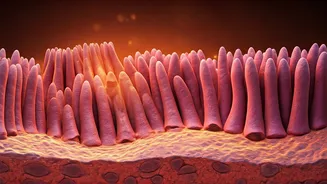
A healthy gut microbiome plays a key role in the absorption of nutrients. When antibiotics disrupt the gut flora, they can impair the ability of the digestive system to absorb essential nutrients such as vitamins and minerals. This can result in deficiencies in vital nutrients, leading to a range of health problems. Vitamin B12 and iron deficiencies are common issues. The disruption to the gut flora can also affect the absorption of fats and carbohydrates, leading to potential weight changes and other metabolic disturbances. Therefore, maintaining a healthy gut microbiome is crucial for overall nutrient absorption and health.
Inflammation & Irritation
Antibiotic-induced dysbiosis can trigger inflammation in the gut, potentially leading to chronic conditions. The imbalance in gut bacteria may cause the immune system to react aggressively, resulting in inflammation. This inflammation can cause damage to the intestinal lining and contribute to conditions like irritable bowel syndrome (IBS) and inflammatory bowel disease (IBD). Persistent inflammation also increases the risk of developing allergies and sensitivities. Managing gut inflammation is important for overall health, and antibiotics can contribute negatively to this process if not used prudently.
Antibiotic Resistance Risk
The overuse of antibiotics contributes to the growing problem of antibiotic resistance, where bacteria evolve to become immune to the effects of these medications. This happens when antibiotics do not completely eliminate the bacteria, enabling the surviving bacteria to adapt and develop resistance. Resistant bacteria can then spread and cause infections that are more challenging to treat. This is a severe public health issue, rendering antibiotics less effective for future infections. Therefore, the prudent use of antibiotics is crucial to prevent the rise and spread of antibiotic-resistant bacteria.
Immune System Weakening
The gut microbiome plays a vital role in supporting the immune system. Antibiotics can indirectly weaken the immune system by disrupting this environment. A healthy gut contains beneficial bacteria that aid in immune function, helping to ward off infections and diseases. When antibiotics destroy these beneficial bacteria, the immune system becomes less effective. This can increase the susceptibility to infections, colds, and other illnesses. Maintaining a healthy gut flora is thus integral for strengthening and maintaining a robust immune system.
Increased Food Sensitivities
Disruption of the gut microbiome through antibiotic use has been linked to increased food sensitivities and allergies. A balanced gut helps in the proper digestion of food and prevents it from triggering an immune response. When the gut flora is disrupted, the gut lining can become more permeable, allowing undigested food particles to enter the bloodstream. This can cause the immune system to perceive these particles as threats and trigger an inflammatory response, leading to food sensitivities and allergies. This highlights the importance of gut health in preventing allergic reactions.
Mental Health Connection
Emerging research shows a strong connection between gut health and mental well-being, the gut-brain axis. The gut microbiome is involved in producing neurotransmitters like serotonin, which impacts mood and mental health. When antibiotics disrupt the gut flora, it can lead to changes in mood, potentially contributing to anxiety and depression. A balanced gut microbiome supports the production of these essential neurotransmitters. Supporting gut health may have a positive impact on mental health, underscoring the importance of sensible antibiotic use.
The Importance of Probiotics
After antibiotic treatment, probiotics can play a key role in restoring gut health. Probiotics are live microorganisms that supplement the existing beneficial bacteria in the gut, assisting in rebalancing the microbiome. They can help reduce the risk of diarrhea and speed up the recovery process after antibiotic use. Including probiotic-rich foods or supplements can help replenish the beneficial bacteria and restore digestive balance. However, consulting a healthcare professional before taking probiotics, particularly in combination with antibiotics, is always recommended.