




The Essence of Navratri Colors
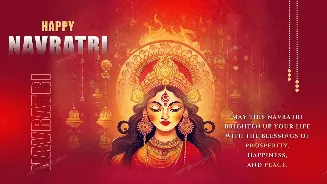
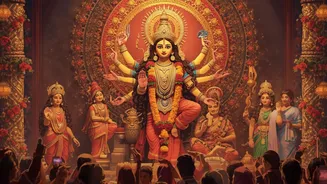
Chaitra Navratri, a significant Hindu festival, celebrates the triumph of divine power over malevolence across nine auspicious days. Each day is devoted
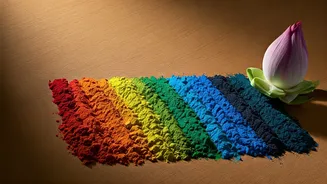
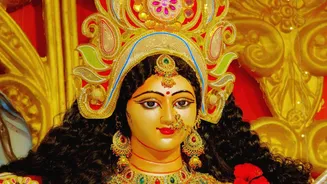
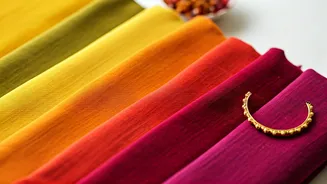
to a distinct manifestation of Goddess Durga, revered as Navdurga, each embodying unique strengths and qualities. The festival's vibrance is amplified by the tradition of observing specific colors for each day, each color carrying a profound spiritual symbolism. Embracing these day-wise Navratri colors deepens devotion, fostering a mindful connection to the positive energies associated with each divine form. This practice helps devotees stay spiritually attuned, channel constructive vibrations, reinforce faith and discipline, and achieve greater emotional and mental equilibrium, making the festival a holistic experience of spiritual alignment and personal growth.
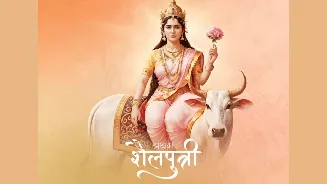
Day 1: Maa Shailputri - White Purity
The Navratri celebration commences with the worship of Maa Shailputri, the first among the Navdurga. She symbolizes ultimate purity and steadfast strength, representing the very foundation of divine feminine power. The color for this inaugural day is white, an emblem of peace, innocence, and fresh beginnings. By adorning white attire and incorporating this color into their surroundings, devotees seek to invite calmness and mental clarity into their lives. This choice is believed to purify the mind and soul, setting a serene and positive atmosphere for the sacred nine days ahead, facilitating a clear path for spiritual engagement and reflection.
Day 2: Maa Brahmacharini - Red Devotion
On the second day, devotion turns towards Maa Brahmacharini, who embodies rigorous penance, unwavering dedication, and profound austerity. Her essence is celebrated through the color red, a powerful hue signifying vibrant energy, passionate love, and formidable strength. Wearing red on this day is an invocation for courage, enhanced willpower, and significant spiritual advancement. This intense color mirrors the Devi’s deep commitment and inspires followers to remain resolute in their personal goals and spiritual convictions. It is a day to embrace passion and drive, channeling the goddess’s energetic spirit into one’s endeavors.
Day 3: Maa Chandraghanta - Royal Blue Calm
The third day of Navratri is dedicated to Maa Chandraghanta, revered for her majestic grace and indomitable bravery. The color chosen for this day is royal blue, a shade that evokes a sense of profound confidence, inner strength, and serene tranquility. By embracing royal blue, devotees aim to achieve a balanced state of being and feel shielded by the goddess's protective aura. Maa Chandraghanta is known for dispelling negativity and eradicating fear, empowering her followers to navigate life's challenges with renewed courage and a deep sense of inner peace.
Day 4: Maa Kushmanda - Yellow Joy
Worshipped on the fourth day, Maa Kushmanda is the divine creator believed to have brought the universe into existence with her radiant smile. Yellow, the color of pure happiness, comforting warmth, and infectious positivity, is deemed highly auspicious for this day. Devotees often wear yellow to attract an abundance of joy and prosperity into their lives. This bright, cheerful hue also symbolizes hope and the promise of new opportunities, making it an ideal choice for welcoming success and material well-being into one's existence.
Day 5: Maa Skandamata - Green Growth
The fifth day honors Maa Skandamata, the divine mother of Lord Kartikeya, who embodies nurturing love and profound wisdom. Green, the color of nature, represents growth, fertility, and harmonious balance. Wearing green on this day is believed to usher in peace and continuous progress in life. Devotees seek blessings for stability, flourishing prosperity, and the well-being of their families, all while soaking in the calming and revitalizing essence of this verdant color, promoting a sense of renewal and abundance.
Day 6: Maa Katyayani - Grey Balance
On the sixth day, Maa Katyayani is venerated for her fierce, protective demeanor and her role as a warrior goddess. The color designated for her worship is grey, a hue symbolizing equilibrium, neutrality, and resilient inner strength. Devotees wear grey to foster a sense of groundedness and composure, particularly when facing life's adversities. This color signifies the ability to remain steadfast and composed amidst difficult circumstances, while also seeking the goddess’s powerful blessings for courage and safeguarding.
Day 7: Maa Kalaratri - Orange Energy
The seventh day is dedicated to Maa Kalaratri, one of the most potent and formidable aspects of Goddess Durga. Orange, a vibrant color that embodies immense energy, boundless enthusiasm, and transformative power, is considered auspicious for this day. By wearing orange, devotees invite positivity and bolster their courage. This dynamic color represents the divine feminine energy (Shakti) that obliterates darkness and vanquishes negativity, encouraging spiritual awakening and the embracing of a fearless existence, illuminating the path forward.
Day 8: Maa Mahagauri - Peacock Green & Pink Peace
Maa Mahagauri, representing purity, profound peace, and boundless compassion, is worshipped on the eighth day of Navratri. The auspicious colors for this day are peacock green and pink, shades that symbolize freshness, emotional harmony, and unconditional love. By wearing these beautiful hues, devotees seek emotional equilibrium and profound happiness, while simultaneously praying for a life filled with tranquility, enduring prosperity, and abundant positivity, nurturing a sense of inner serenity.
Day 9: Maa Siddhidatri - Pink & Purple Wisdom
The culmination of the Navratri festival arrives on the ninth day with the worship of Maa Siddhidatri. She is the bestower of supernatural powers, profound wisdom, success, and spiritual enlightenment. The colors associated with this final day are pink and purple, representing compassion, inherent dignity, and divine knowledge. Devotees wear these colors to seek blessings for complete fulfillment and significant inner growth, concluding the sacred Navratri journey with deep devotion, gratitude, and a renewed sense of purpose.