
What is Panchang?
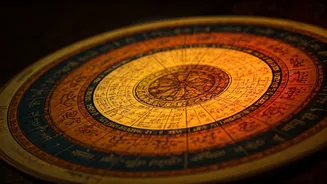
The Panchang is a traditional Hindu calendar and almanac, a vital tool in Vedic astrology. Unlike a typical calendar focused on dates, the Panchang provides
a detailed overview of the day's astrological significance. It comprises five key elements: Tithi (lunar day), Vaar (weekday), Nakshatra (lunar mansion), Yoga (astrological combinations), and Karana (half-lunar day). Each component provides unique insights into the day's energies and influences. By understanding the Panchang, individuals can gain a deeper understanding of the cosmic forces at play and align their actions with auspicious timings. It's used for planning important events, choosing favorable times for activities, and understanding the overall flow of the day.
Tithi and Its Impact
Tithi represents the lunar day, the angular relationship between the Sun and the Moon. It changes daily and each Tithi has a specific name and significance. These lunar days are based on the Moon's movement relative to the Sun. Tithis are categorized, with some considered auspicious and others less so, influencing the nature of the activities undertaken during that time. Certain Tithis are particularly favorable for initiating new ventures, while others are best suited for completing existing tasks. A strong understanding of Tithi can help to determine the best times for undertaking important endeavors and avoiding unfavorable periods. Knowing the Tithi is a key step towards understanding the overall astrological landscape of the day.
Vaar and Daily Life
Vaar refers to the weekday, each named after a planetary influence. The seven Vaars (Sunday to Saturday) are associated with different planets. Each weekday carries specific energies and qualities that impact daily activities. Different Vaars are considered more favorable for certain activities, such as starting a business or initiating travel. Understanding the influence of each Vaar allows people to align their actions with the planetary energies for better outcomes. Planning activities in accordance with the Vaar can increase the likelihood of success and harmony in daily life. Vaar provides the foundational context for understanding daily astrological influences.
Nakshatra's Lunar Mansions
Nakshatras, or lunar mansions, are the 27 or 28 segments of the ecliptic, the path of the Sun and Moon. Each Nakshatra is associated with a specific constellation and has its own unique characteristics. Every individual is born under a specific Nakshatra, influencing their personality and life path. The Panchang indicates the Nakshatra for each day, revealing the lunar influence on that day. Understanding the Nakshatra of the day can help people to recognize the prevailing energies and use them to their advantage. Specific Nakshatras are suitable for different activities, such as beginning new projects, conducting ceremonies, or engaging in creative endeavors. Paying attention to the Nakshatra is vital to understanding the subtle influences that shape each day.
Yoga and Its Significance
Yoga in the Panchang refers to the angular relationship between the Sun and Moon. There are 27 Yogas, each representing a specific combination of celestial influences. Each Yoga lasts for a particular duration and carries its own characteristics. Knowing the Yoga of the day can provide insights into the nature of activities best suited for that time. Some Yogas are considered auspicious, promoting success and favorable outcomes, while others may indicate challenges or require careful planning. By observing the Yoga, people can make informed decisions and align their actions with beneficial cosmic energies. Paying attention to Yoga allows for a deeper understanding of the day's astrological climate and enhances the chances of positive outcomes.
Karanas and Daily Tasks
Karanas are half-lunar days, formed when a Tithi is divided in half. There are 11 Karanas, each having its own specific influence on the day. They mark the smaller units of time within a Tithi and provide additional nuance to the day's astrological profile. Each Karana influences different types of activities. Some Karanas are considered favorable for commencing new projects, while others are better suited for specific tasks or routines. Knowing the Karana of the day provides a more granular understanding of the energies at play. It allows individuals to fine-tune their activities to align with the cosmic influences and to achieve more favorable outcomes. The Karana offers an even deeper layer of astrological insight.
Using the Panchang
The Panchang helps to determine the auspicious timings (Muhurats) for significant events, as well as the avoidance of inauspicious times. Understanding the Panchang helps to align actions with favorable cosmic energies. Individuals can use the Panchang to plan their day by checking the Tithi, Vaar, Nakshatra, Yoga, and Karana. Consult the Panchang before making critical decisions or embarking on important undertakings. Using the Panchang requires practice and a commitment to integrating it into daily life. With time, people gain a more profound understanding of cosmic influences. This allows for more informed decision-making and a more harmonious life. A daily review of the Panchang offers the best path to astrological awareness.
Benefits of Panchang
Using the Panchang offers many advantages. It helps to enhance the ability to make informed decisions by providing insights into favorable and unfavorable times. It supports the optimal timing of important events and ceremonies. It increases self-awareness and understanding of the interplay between cosmic energies and daily life. The Panchang also promotes mindfulness and a deeper connection to tradition and culture. Incorporating the Panchang into daily life enables people to navigate life's challenges more effectively and make the most of opportunities. Ultimately, using the Panchang fosters a deeper sense of harmony and alignment with the universe.