






Recognizing Potential Dangers
Skin cancer, a prevalent form of cancer, often begins as a seemingly insignificant mark on the skin, most commonly appearing on sun-exposed areas like
the face, neck, arms, and legs. While there are several types, including basal cell carcinoma, squamous cell carcinoma, and the more aggressive melanoma, the crucial factor for successful treatment is early identification. Melanoma, in particular, has the potential to metastasize if not addressed promptly. Fortunately, when detected in its nascent stages, skin cancer is highly responsive to treatment. The key to safeguarding yourself lies in consistent self-examinations and seeking professional dermatological advice for any new or evolving skin lesions. Vigilance regarding changes in moles or the appearance of new spots is paramount for timely diagnosis and effective management.
Subtle Signs of Trouble
Despite increasing awareness of preventive health, many individuals tend to disregard skin abnormalities, viewing them as benign until they manifest significant changes. However, even minor-looking skin concerns can be precursors to skin cancer. Dr. Aravind Badiger emphasizes that skin cancer is frequently underdiagnosed due to a lack of public awareness regarding its early indicators. Contrary to popular belief, skin cancer doesn't always present as obvious, unsightly sores; its initial signs are often subtle, painless, and easily overlooked. These initial symptoms might be mistaken for common skin blemishes, leading to a delay in diagnosis, which can critically impact treatment outcomes. Recognizing these subtle signals is the first step toward proactive skin health management.
Key Warning Signs
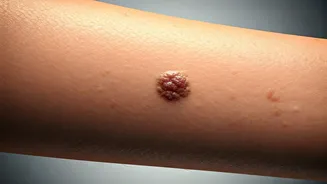
Paying attention to the characteristics of skin spots is vital for early detection. Here are critical signs to watch for: a spot larger than a pencil eraser’s diameter, borders that are irregular, notched, or ill-defined, and the presence of multiple colors within a single lesion, such as brown, black, red, or white. Any noticeable increase in the size of a spot over time is also a significant concern. Furthermore, symptoms like persistent itching, bleeding, or the formation of crusts on a skin mark should never be ignored. These indicators are not to be taken lightly and warrant immediate professional evaluation by a dermatologist to rule out any serious underlying conditions, ensuring prompt and appropriate medical intervention.
Beyond UV Exposure
While ultraviolet (UV) radiation from the sun is widely recognized as a primary instigator of skin cancer, it's important to understand that other factors also play a role. Dr. Badiger points out that lifestyle choices, compromised immune systems, genetic predispositions, and environmental exposures can all contribute to an elevated risk. It’s also a misconception that individuals with darker skin tones are entirely immune. People with melanin-rich skin may experience diagnostic delays due to lower clinical suspicion and a general lack of awareness regarding skin cancer in their demographic. Therefore, a comprehensive view of risk factors beyond sun exposure is essential for effective prevention and early detection strategies.
Proactive Prevention Strategies
Implementing certain preventive measures can significantly lower the long-term risk associated with skin cancer. Opting for clothing made from breathable fabrics like cotton or muslin can offer protection against excessive heat. It is crucial to limit prolonged sun exposure, especially during peak hours between 11 am and 4 pm. Even on overcast days or when staying indoors, the consistent application of sunscreen is recommended, as UV rays can penetrate clouds and glass. Regular consultations with a dermatologist are also a cornerstone of preventive care, allowing for routine skin assessments and early identification of any potential issues. By adopting these habits, you take significant steps toward safeguarding your skin's health.