






Early Beginnings Detected
A common misconception is that serious health issues like heart disease are distant threats, something to be concerned about only in later years, perhaps
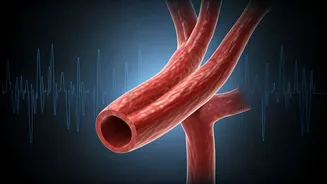
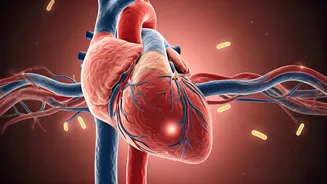
after the age of 50. However, a prominent cardiac surgeon is urging a reevaluation of this perspective, highlighting that the foundational stages of cardiovascular compromise can manifest surprisingly early, even in childhood. Autopsy studies have provided compelling evidence, revealing the presence of fatty streaks within the arteries of children as young as three years old. These are not isolated incidents but represent the initial phases of atherosclerosis, a condition characterized by the hardening and narrowing of the arteries. This suggests that the process of heart disease is not a sudden onset but a gradual accumulation over many years, fundamentally beginning much sooner than is typically understood. The surgeon's assertion that heart disease is not something we 'get' but rather something we 'have' underscores its nature as a developing condition.
Misconception About Atherosclerosis
The medical community, particularly heart surgeons like Dr. Jeremy London, often encounters a widespread misunderstanding about atherosclerosis. Many people perceive the hardening of arteries as an acute illness that is acquired at a specific point in life. In reality, it is a complex, multifactorial process that unfolds over the course of several decades. Instead of appearing abruptly, it progresses incrementally, influenced by a constellation of internal and external factors. The crucial insight is that individuals may already possess the predisposition or early signs of this condition from a young age. Therefore, understanding heart disease as an inherent, developing process rather than an external affliction is paramount. This paradigm shift in perception is vital for promoting effective prevention and early intervention strategies, moving away from a reactive approach to a more proactive one focused on long-term cardiovascular well-being.
Accelerating Factors Identified
The progression of atherosclerosis, the underlying process of heart disease, can be significantly accelerated by a range of lifestyle choices that are largely within an individual's control. These factors include the consumption of a diet that is poor in nutrients and high in unhealthy fats and sugars, the habit of smoking, the presence of consistently high blood pressure, elevated blood glucose levels, and a general lack of physical activity. These everyday habits, when repeated consistently over time, contribute incrementally to the buildup of plaque within the arterial walls. Dr. London emphasizes that making conscious daily choices can have a profound impact on an individual's cardiovascular health trajectory, potentially preventing the need for surgical intervention. It is the accumulation of these detrimental habits from an early age that quietly fuels the development and worsening of heart disease, making preventative measures all the more critical.