





Lentils: Nutritional Giants
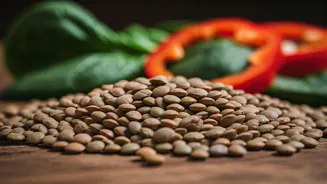
Lentils, a common sight in kitchens worldwide, are far more than just a culinary staple; they are nutritional powerhouses packed with essential elements.
Dr. Karan Rajan, a UK-based physician and popular health communicator, has brought attention to these versatile legumes, emphasizing their significant contributions to our health. Rich in both plant-based protein, vital for muscle maintenance and feeling full, and dietary fiber, lentils offer a comprehensive nutritional profile. This combination makes them an excellent choice for individuals looking to enhance their overall well-being, manage weight, and support bodily functions through easily accessible food sources. Their presence in our diets can be a simple yet effective strategy for achieving better health outcomes without resorting to expensive supplements.
Heart Health Champion
Embracing lentils in your weekly meals can profoundly impact your cardiovascular health. Research and expert insights suggest that incorporating legumes into your diet, particularly lentils, can lead to substantial reductions in heart disease risk. Studies indicate that consuming legumes as frequently as four times a week can slash cardiovascular disease risk by approximately 11 percent. Furthermore, a daily intake of just half a cup of beans has been linked to a remarkable 38 percent reduction in heart attack risk. The benefits extend to cholesterol management as well; a consistent intake of lentils for just three months has been shown to lower LDL (bad) cholesterol levels by around 8 percent. This consistent positive impact on heart health metrics suggests that lentils are a potent ally in preventing serious cardiovascular events and promoting longevity, potentially reducing all-cause mortality by seven to eight percent with daily consumption of 20 grams of legumes.
Gut Health and Beyond
Lentils offer a unique advantage for gut health due to their specific fiber composition, leading to broader health benefits, including potential anti-cancer properties. Dr. Rajan highlights that lentils contain galactooligosaccharides, a type of prebiotic fiber that ferments slowly, traveling to the distal end of the colon. This contrasts with many other fiber sources that ferment earlier in the digestive tract. This slow fermentation process is crucial because it nourishes beneficial gut bacteria in the very region where many colon cancers originate. As these fibers ferment, they produce butyrate, a short-chain fatty acid that fuels colon cells, possesses anti-cancer properties, and effectively reduces inflammation precisely where it's most needed. This deep fermentation process actively supports a healthy gut microbiome, feeding beneficial bacteria like Bifidobacterium, and contributing to overall disease prevention and enhanced well-being.
Blood Sugar and 'Second Meal'
Beyond heart health and gut benefits, lentils play a significant role in managing blood sugar levels, exhibiting a fascinating 'second meal effect.' According to Dr. Rajan, increasing your consumption of lentils can lead to improved blood sugar control that extends beyond the immediate meal. This phenomenon is attributed to the resistant starch and soluble fibers present in lentils, which enhance insulin sensitivity for several hours. This means that even if you consume lentils for breakfast or lunch, your blood sugar levels throughout the entire day remain more stable. This effect is particularly noteworthy as it influences areas of the colon where many fibers typically do not reach, indicating a more comprehensive impact on metabolic health and demonstrating the powerful, sustained benefits of incorporating lentils into your daily diet.
Easy Integration Strategies
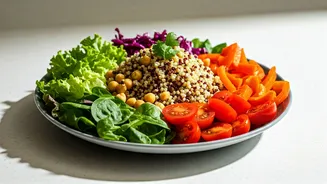
Incorporating these nutrient-dense lentils into your daily meals is remarkably simple and adaptable, making them an accessible superfood for everyone. Whether you're aiming to boost your protein intake, increase your fiber consumption, or simply enjoy a delicious and healthy meal, lentils offer incredible versatility. They can be effortlessly added to a wide array of dishes, enhancing their nutritional value and flavor. Consider stirring them into hearty soups and comforting stews, tossing them into vibrant salads for added texture and substance, or using them as a robust base for flavorful vegetarian creations. Their affordability and ease of preparation mean that these significant health benefits are within reach for nearly everyone, proving that powerful health advantages can come from everyday, humble ingredients.