







Light's Fundamental Role
Feng Shui recognizes the fundamental role light plays in shaping the energy, or 'chi,' within a space. This ancient practice considers light as a powerful
agent, influencing everything from mood to health. Natural light, in particular, is highly valued for its invigorating properties, as it is seen as a direct conduit of Yang energy – the vibrant, active force of the universe. The interplay of light and shadow, the contrast between brightness and dimness, mirrors the fundamental principles of Yin and Yang, creating balance. The balanced integration of light is therefore essential to a home's harmonious chi. Proper lighting not only enhances visual appeal but also fosters a sense of well-being.
Natural Light Advantage
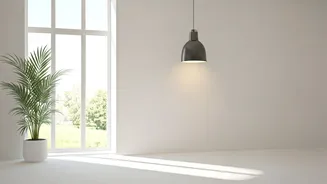
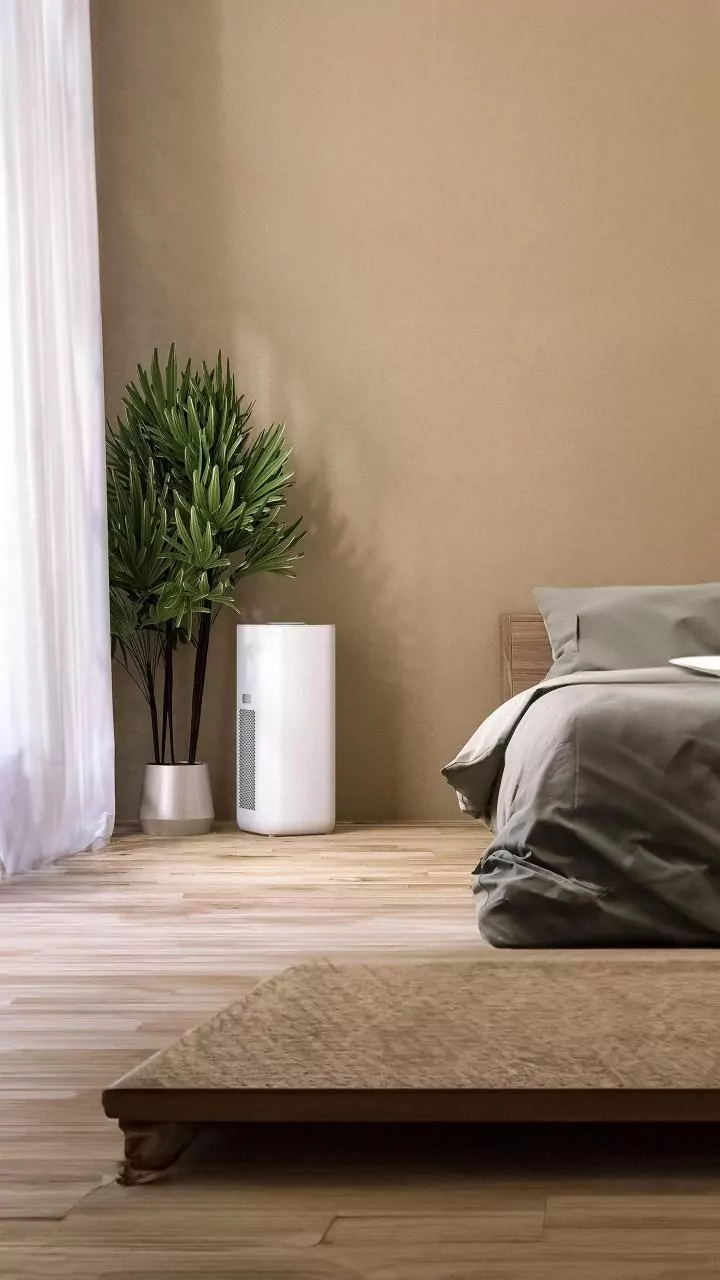
Natural light is a cornerstone in creating a positive Feng Shui environment. It infuses a space with vital life force (Yang energy) which is linked to positivity and dynamism. Maximizing exposure to sunlight is recommended. This can be achieved through various means, such as keeping windows clean and unobstructed to allow sunlight to penetrate deeply into the rooms. Consider the time of day and the compass direction of each room when managing natural light to create desired effects, such as a bright, energizing space in the morning and a calming environment in the evening. Furthermore, ensuring that window treatments (like curtains or blinds) don't block the natural sunlight, especially when the light is most beneficial, is crucial.
Harnessing Artificial Light
While natural light is supreme, artificial light also has an essential role, especially in spaces where natural light is limited. The key lies in choosing the right type of artificial light and placing it strategically. The goal should be to emulate the quality and characteristics of natural light as much as possible. This involves using a combination of different lighting layers such as ambient lighting, task lighting, and accent lighting. Ambient lighting sets the general tone and should be bright but not harsh. Task lighting should be directed at areas of activity like work surfaces or reading corners. Accent lighting can highlight decorative features or create moods. By using a range of light options, you can create a balanced and energetic environment.
Yin and Yang Balance
The balance between Yin and Yang is central to Feng Shui. Light plays a key role in achieving this equilibrium. Yang energy, characterized by bright light, is active, outward-moving, and associated with activity. Yin energy, symbolized by shadow and dimness, is receptive, inward-moving, and associated with rest. The goal is to avoid extremes. A space dominated by excessive Yang energy can create overstimulation and restlessness, while a space with too much Yin can feel gloomy and stagnant. A balanced combination of natural and artificial light, paired with thoughtful placement of light sources and shadow, helps maintain harmony. The effective management of Yin and Yang energies will nurture a stable and balanced home environment.
Kitchen Lighting Tips
The kitchen, being a hub of activity and nourishment, benefits greatly from specific lighting considerations. In a Feng Shui kitchen, the combination of light colors and strategic placement is highly crucial. Warm white or earth-toned lights are generally preferred to promote a sense of comfort and well-being, while bold, intense colors such as red or black should be avoided. A well-lit kitchen should have a blend of general, task, and accent lighting. Task lighting over the work surfaces (like the counter and stovetop) is indispensable for safe food preparation, while accent lights can highlight decorative features. A well-designed kitchen lighting scheme not only improves function but also supports healthy energy flow, influencing your culinary journey.
Placement and Forms
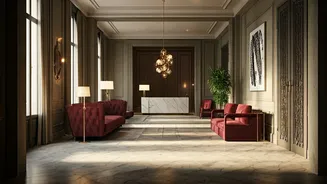
The placement and the form of your lighting fixtures are essential components of Feng Shui lighting. Lights should be strategically placed to ensure illumination of the entire space and should not create dark corners. Lighting fixtures should complement the design and style of your space and promote harmonious energy. Consider the shape and style of the lighting fixtures you choose. Soft, rounded shapes can foster gentle energy, while sharp angles are best used sparingly, possibly to stimulate creativity or focus. Pay attention to the size of the fixtures in relation to the space. The objective is to promote a balance of light throughout the space and to create an environment that encourages movement, positive energy, and feelings of calm.